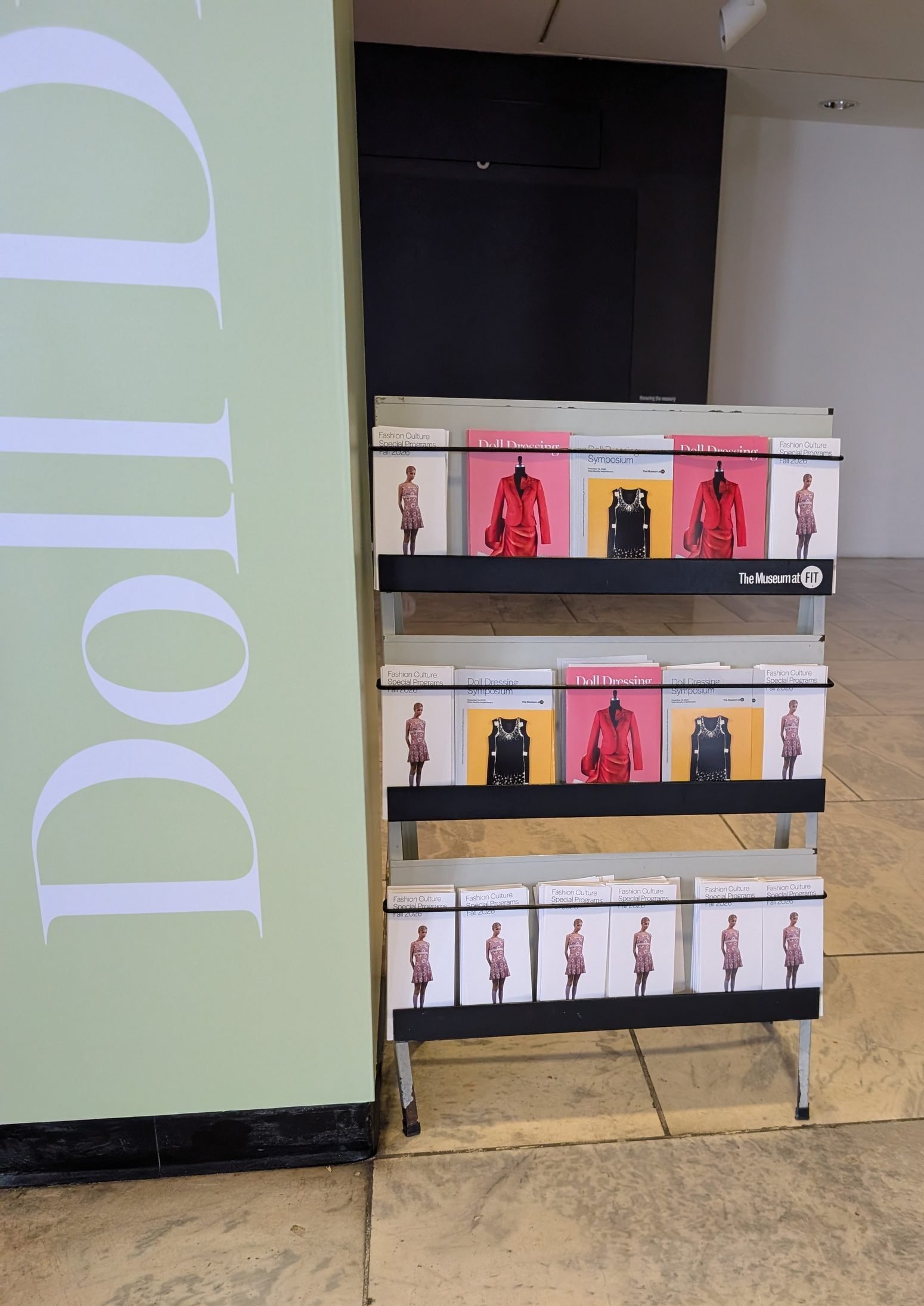

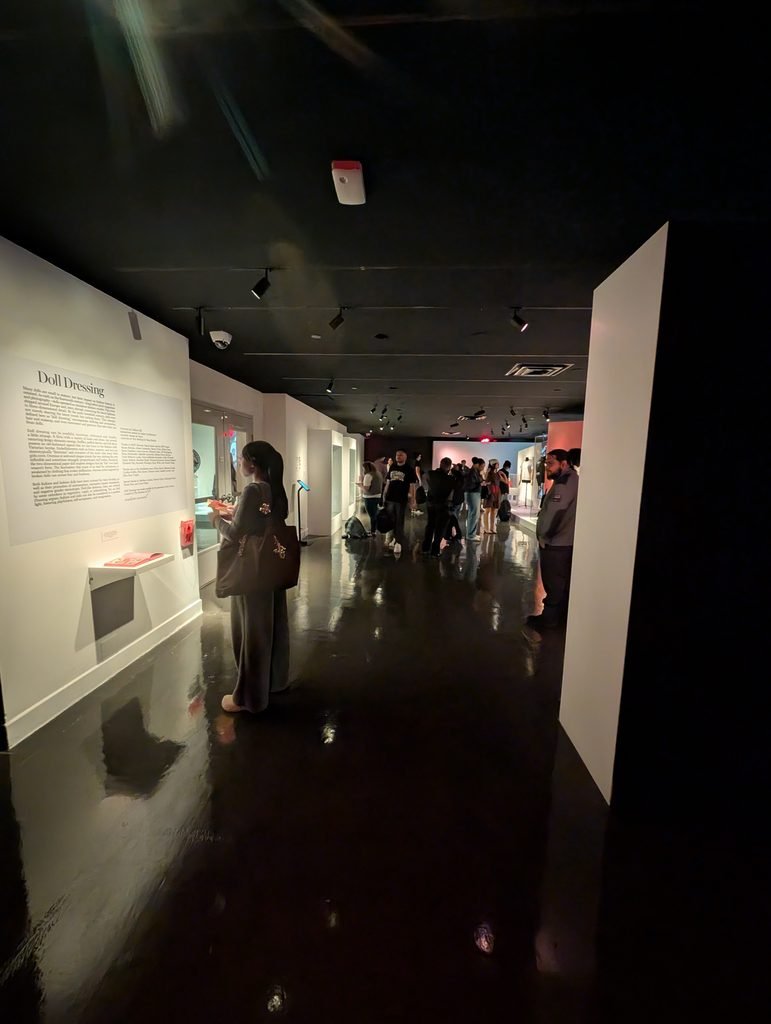
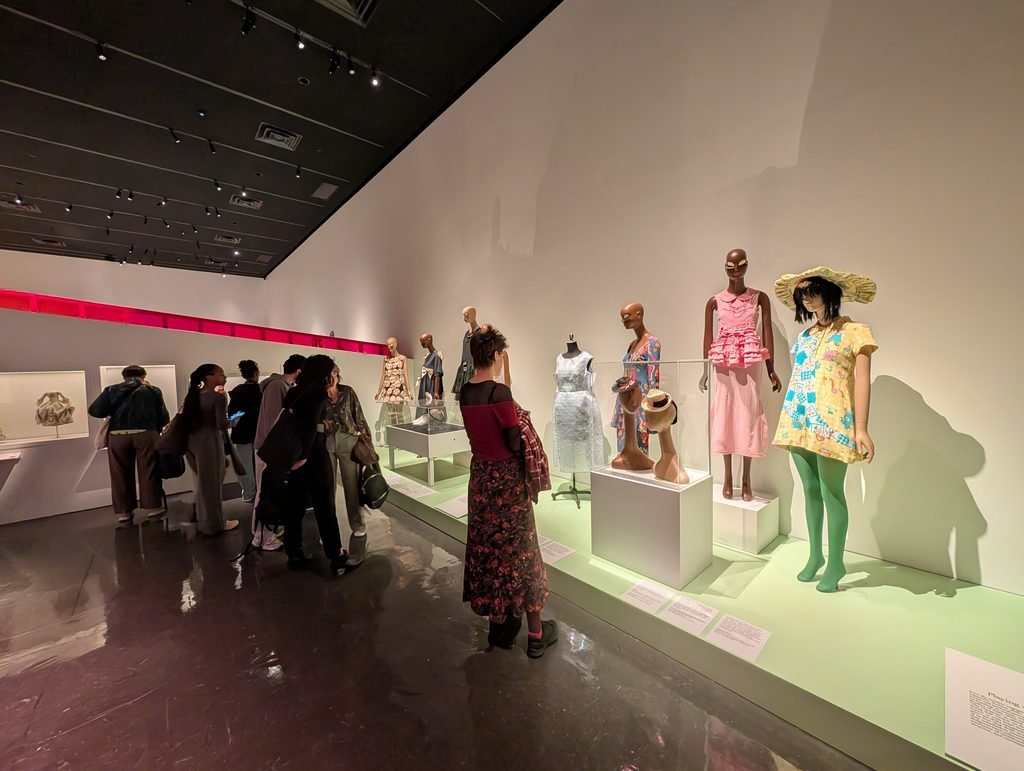
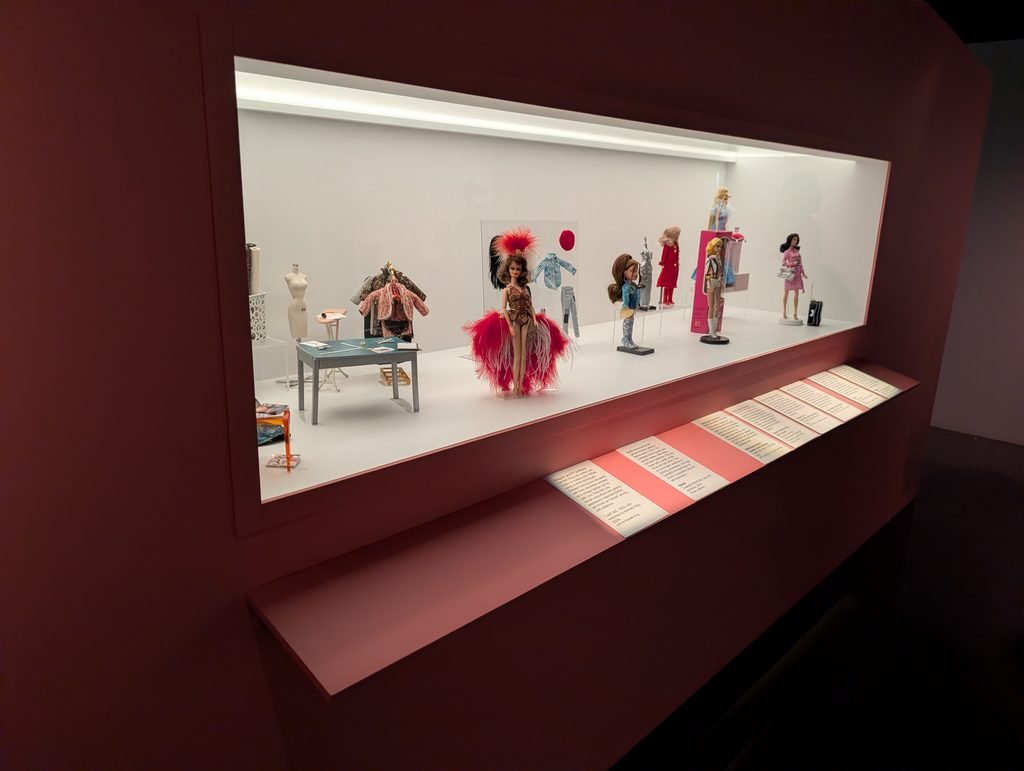
In late September 2026, I had the opportunity to visit Doll Dressing, an exhibition at The Museum at FIT in New York. Compact yet cohesive, the exhibition reveals a connection fashion history overlooks: dolls are never mere replicas of dress. For centuries, they served as fashion messengers, embodiments of fashionable silhouettes, and ideal canvases for designers’ imaginations.
Dolls are never mere replicas of dress.
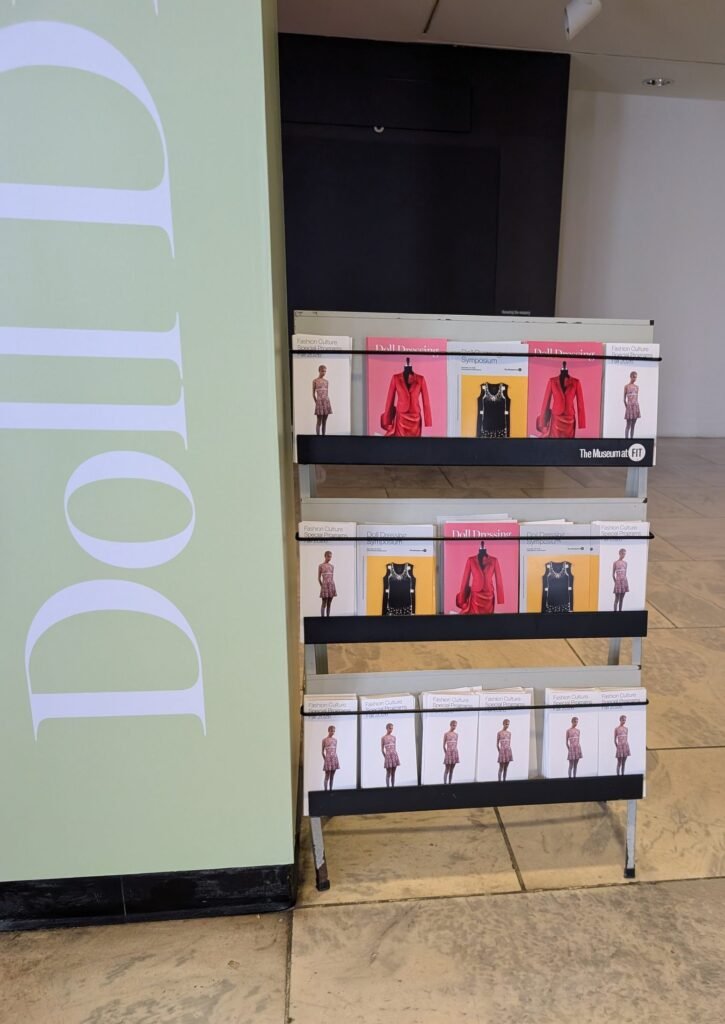
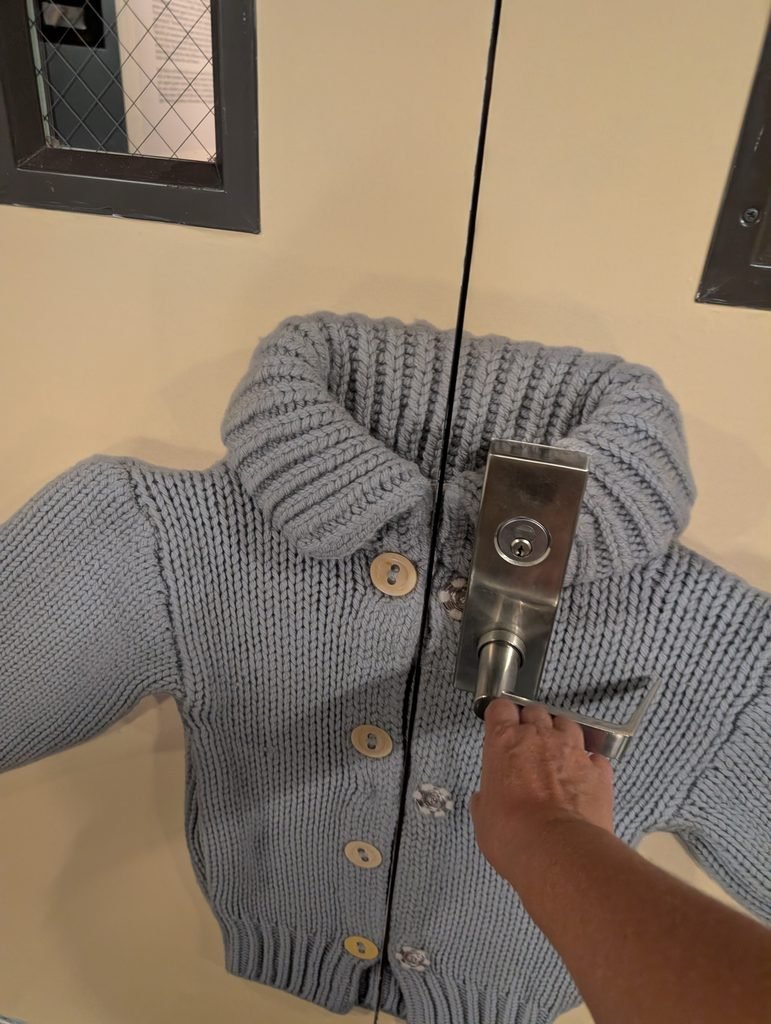
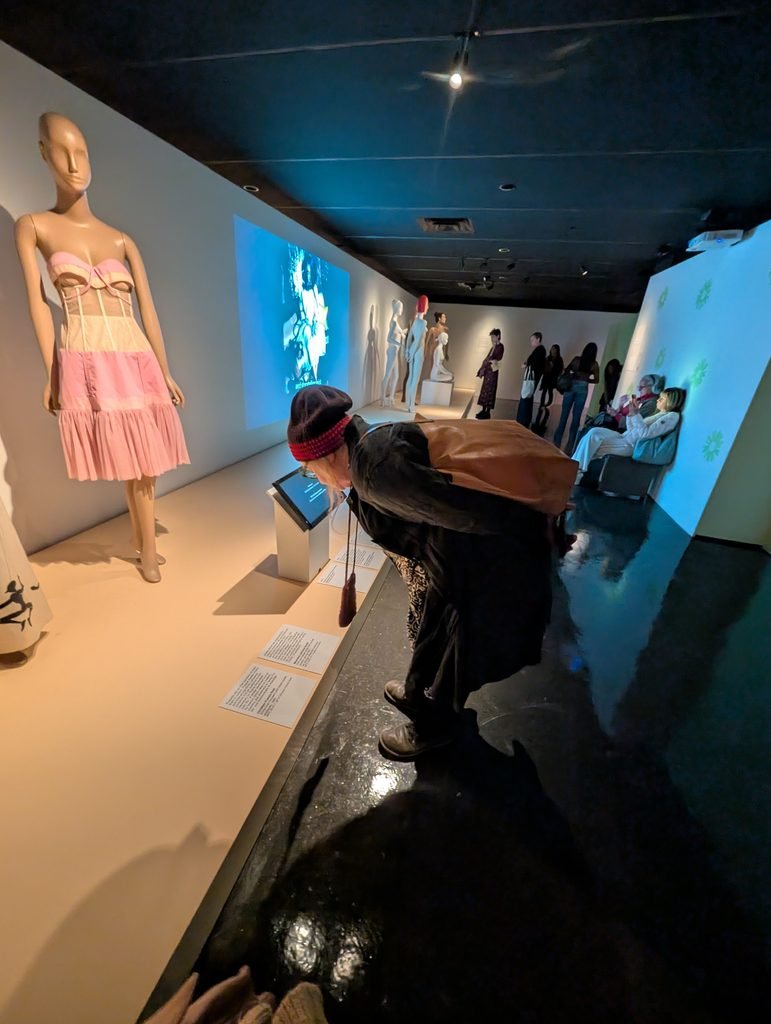
The Origin Story: 3D Fashion Models Before Mags & Runway
Curator Colleen Hill draws attention to an important historical fact. Beginning in the eighteenth century long before fashion magazines and photography dressed dolls functioned as three-dimensional fashion models.
Travelling across Europe, dolls carried news of the latest textiles and trims, trending silhouettes and cuts, essential tailoring details.
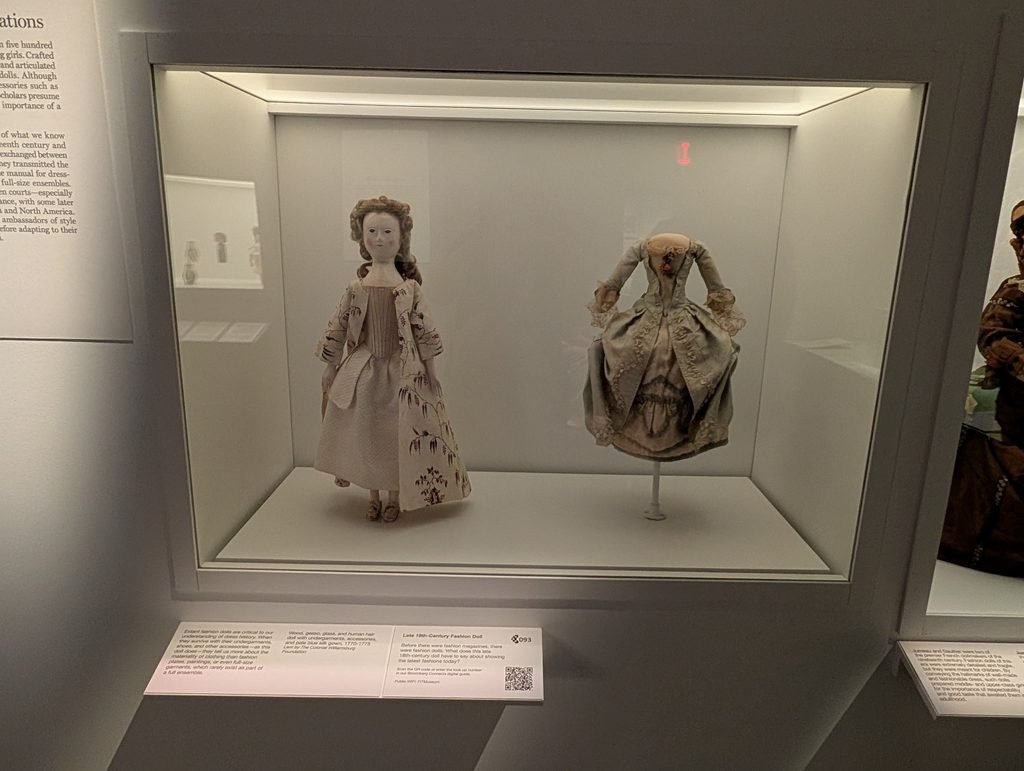
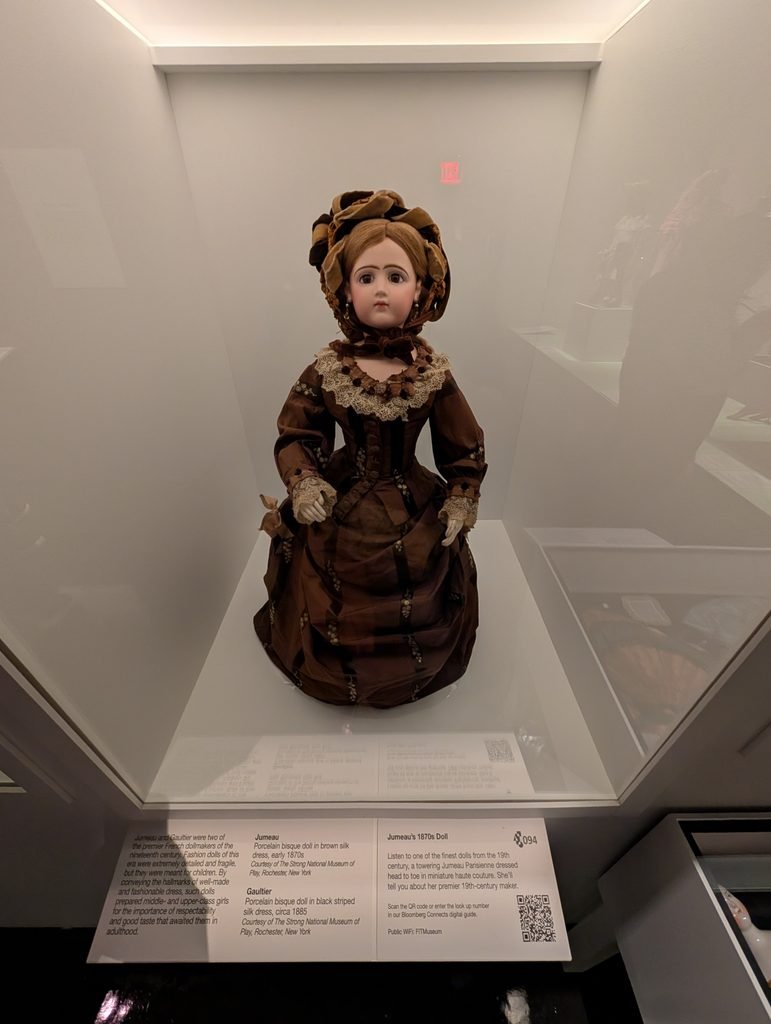
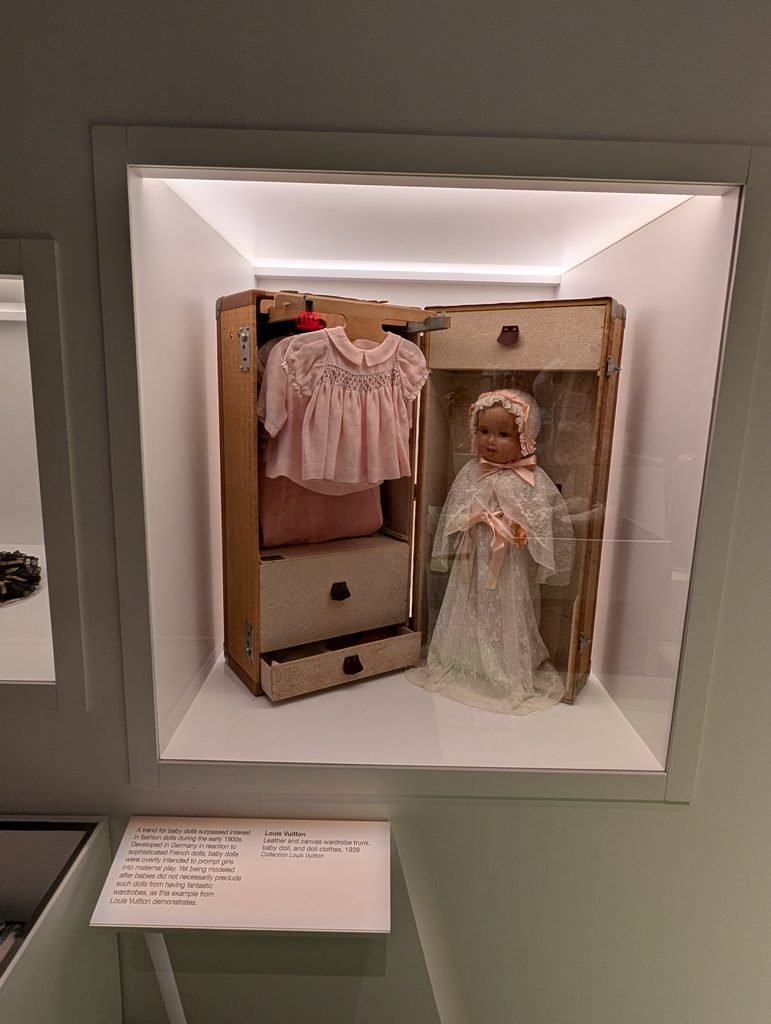
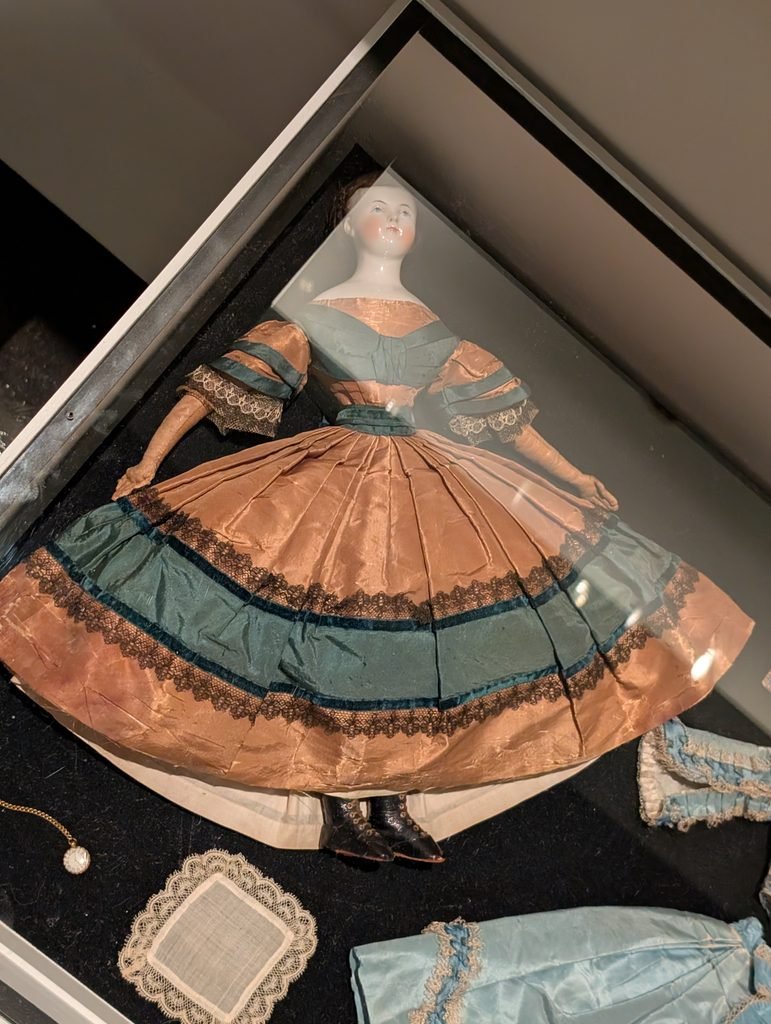
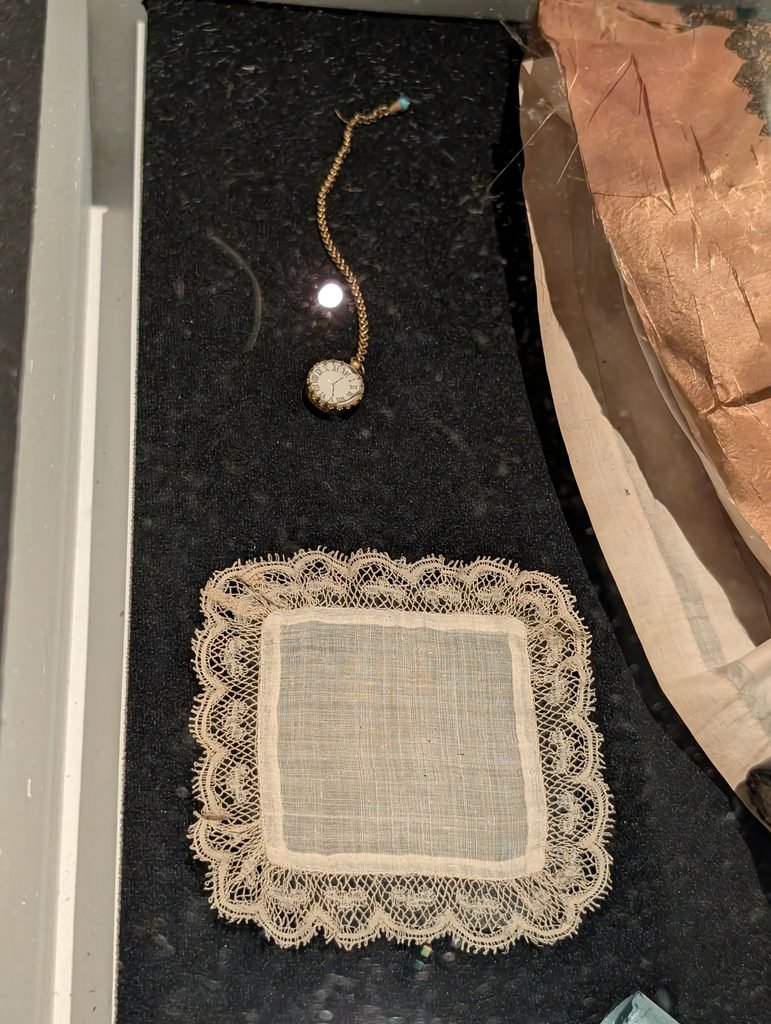
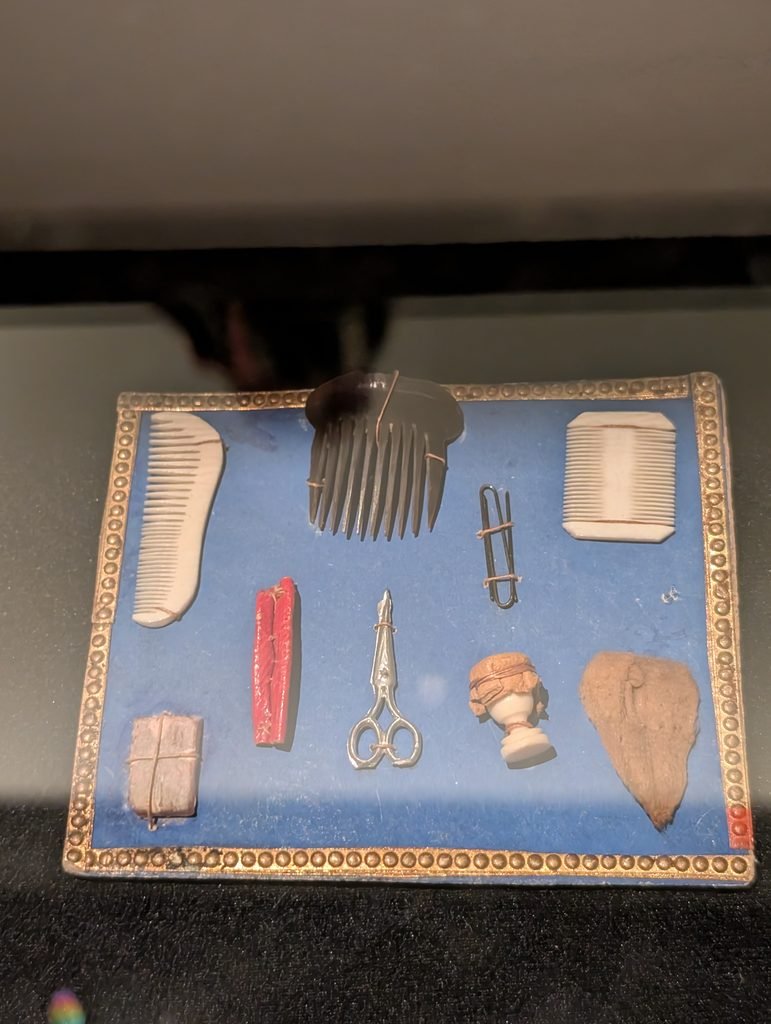
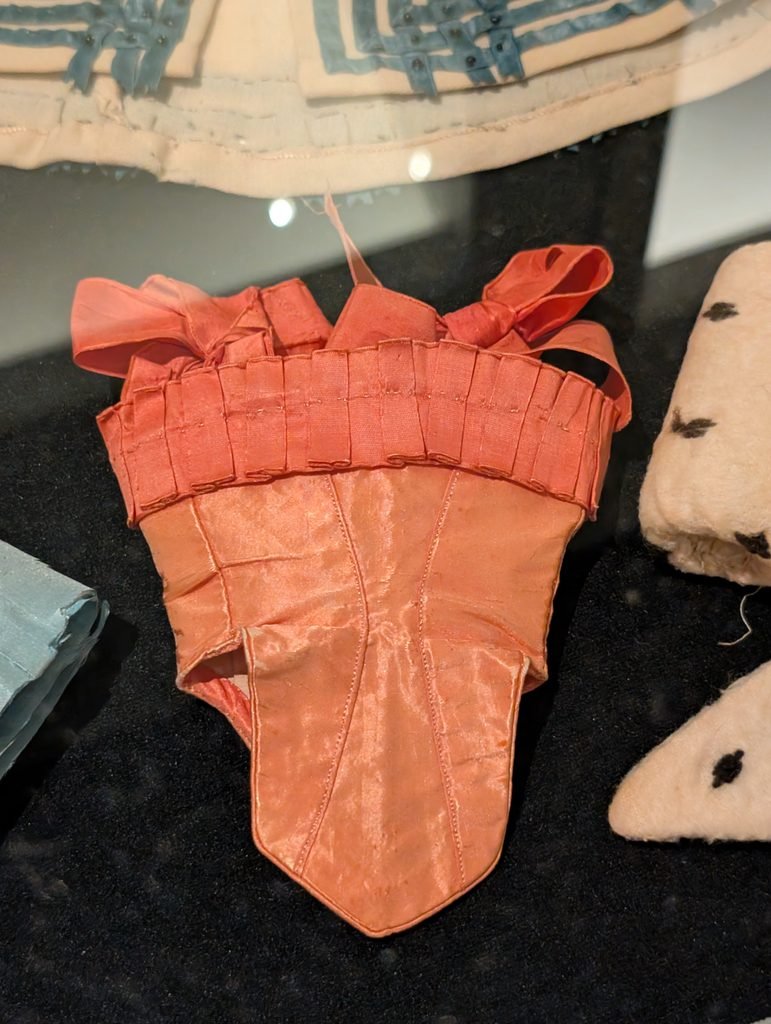
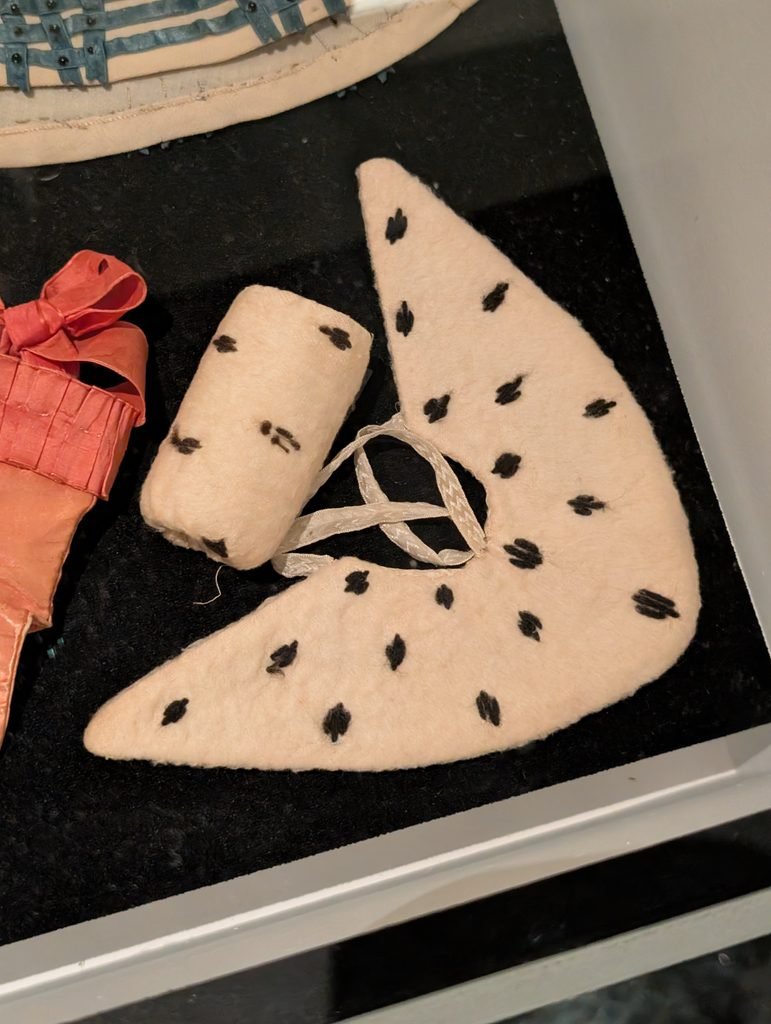
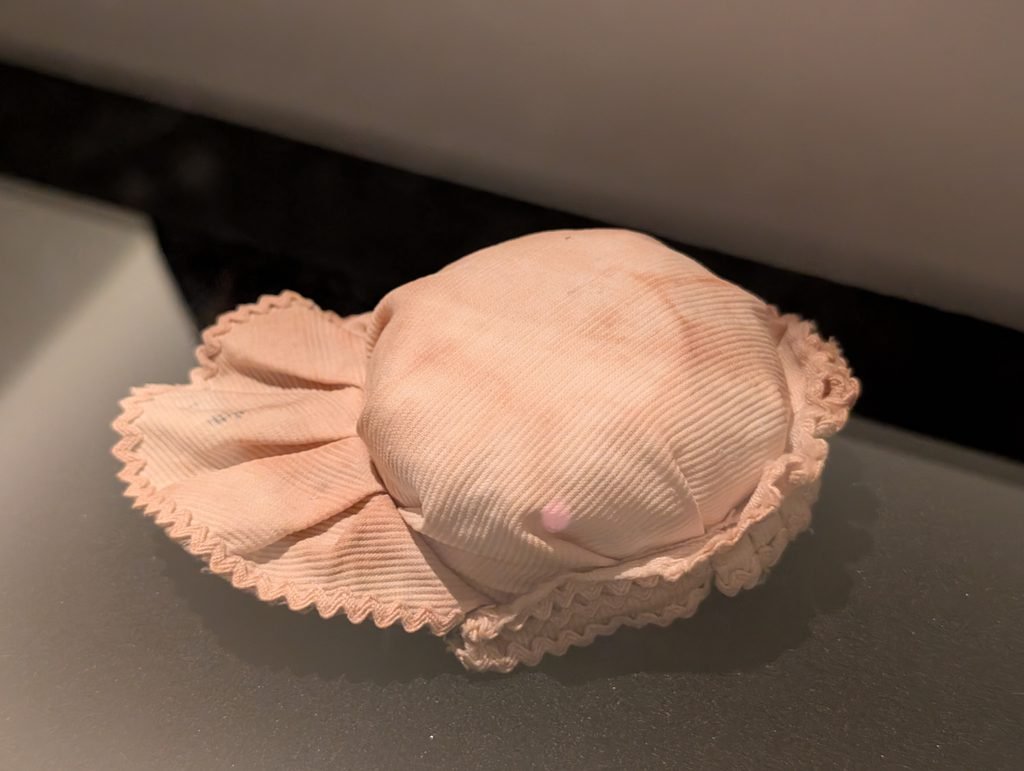
A fashion doll, therefore, is far more than a toy: it is a complex cultural object and a miniature archive of fashion history.
Beyond the Clothes: Defining the “Doll-Like” Aesthetic
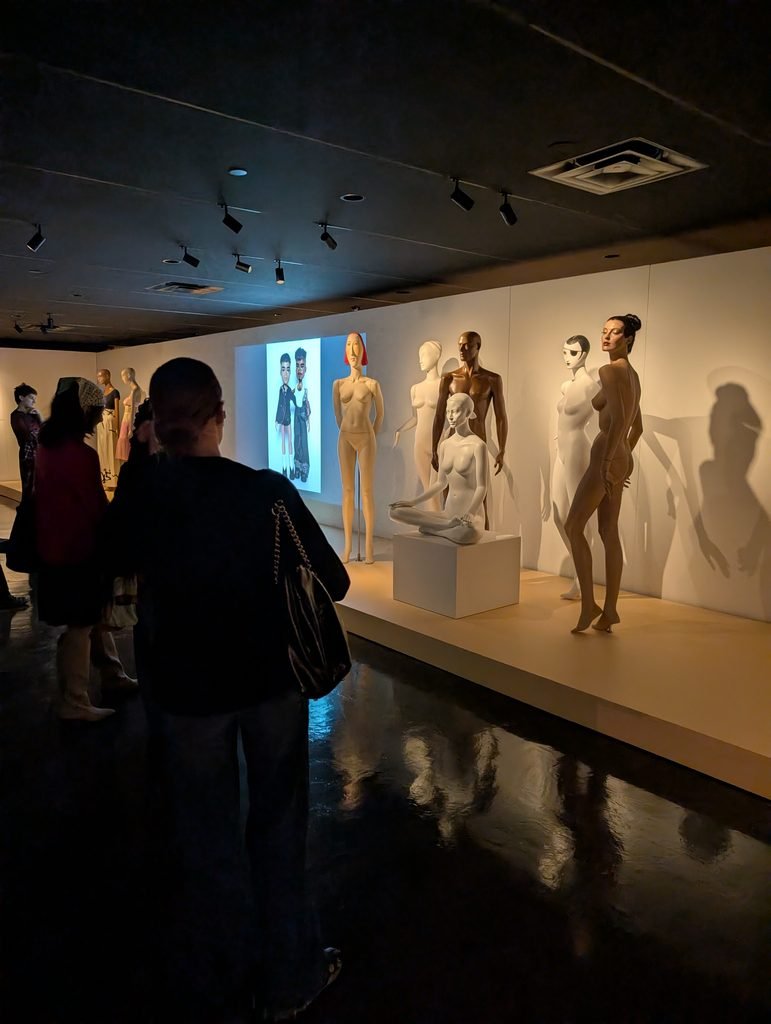
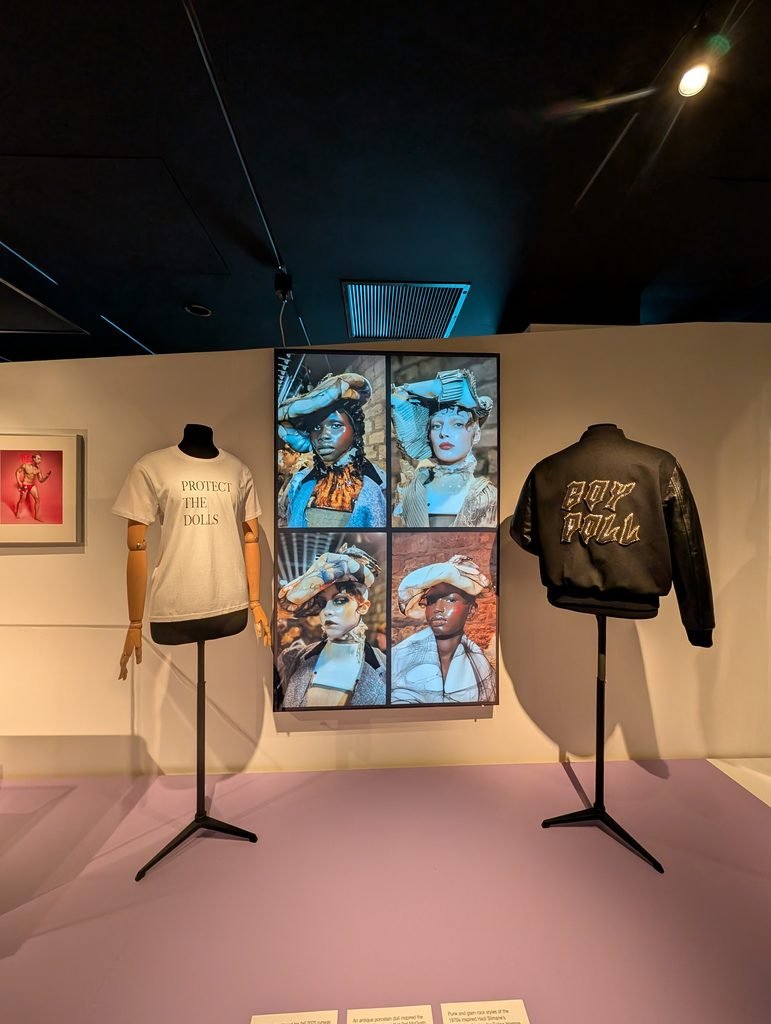
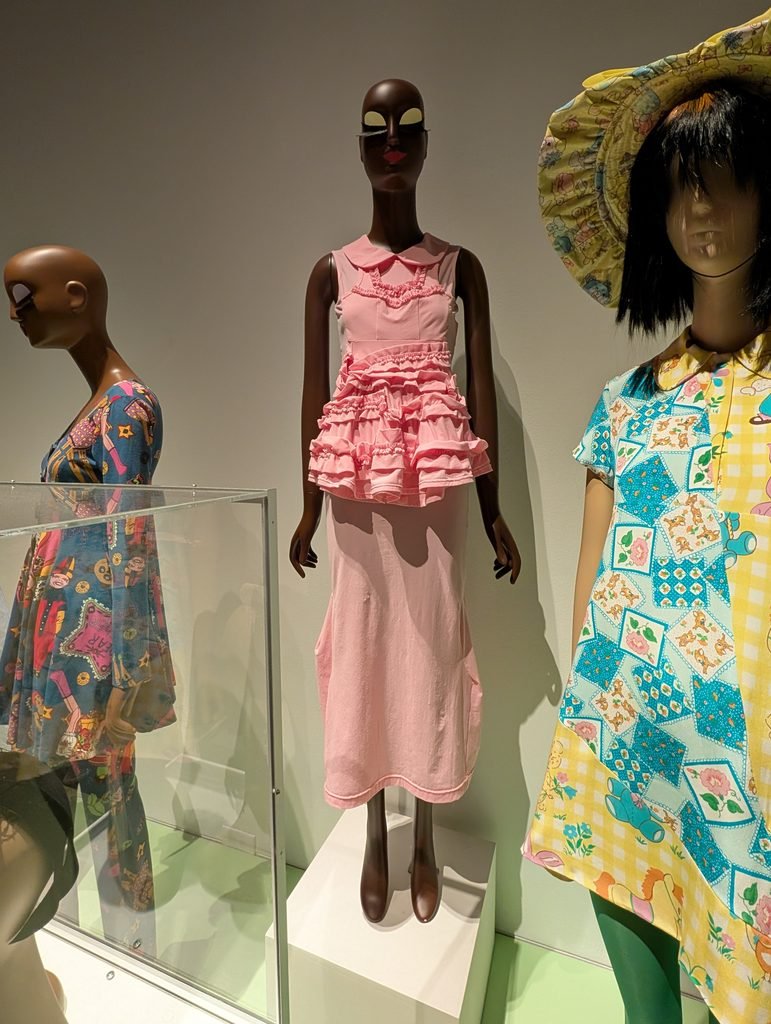
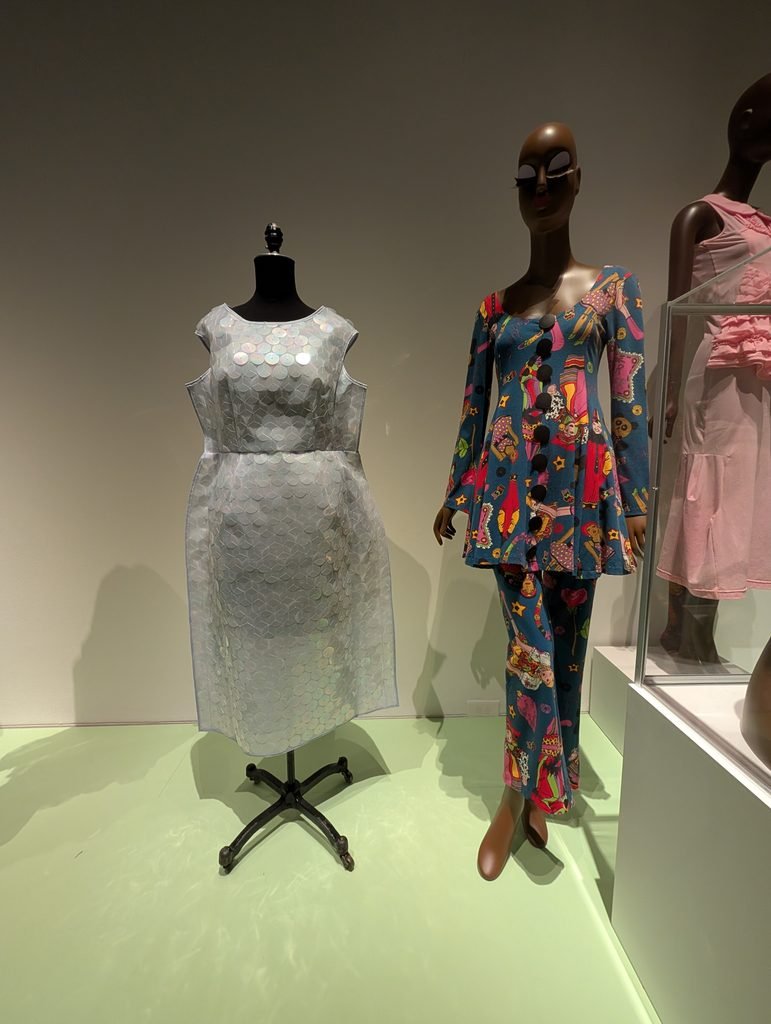
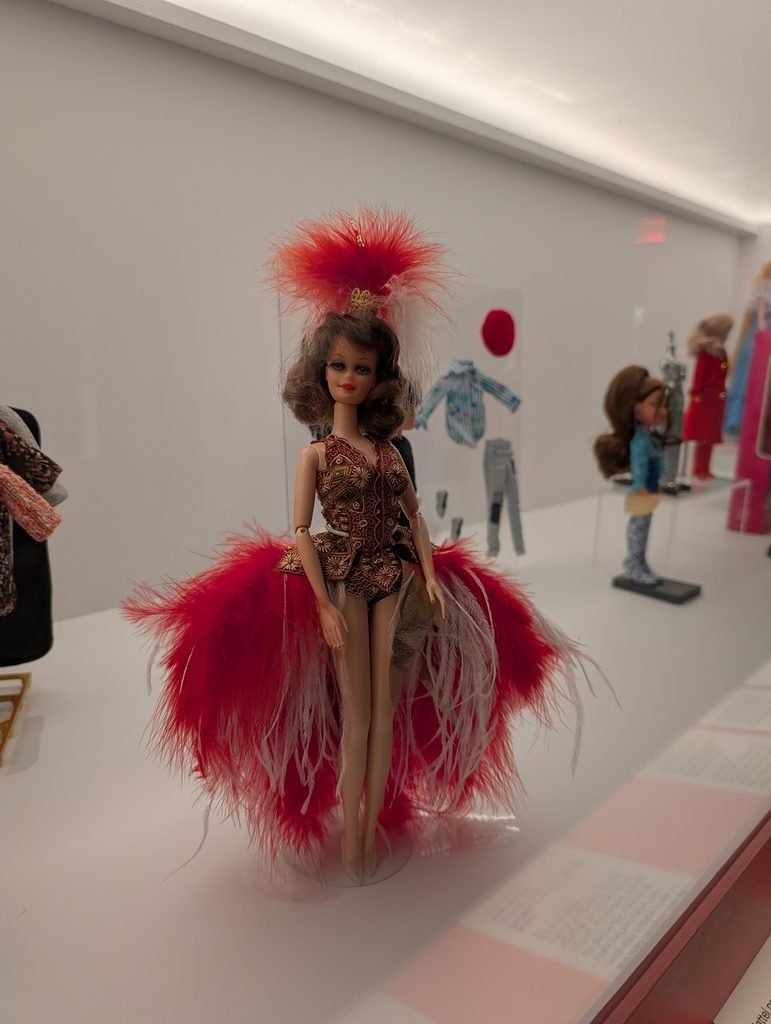
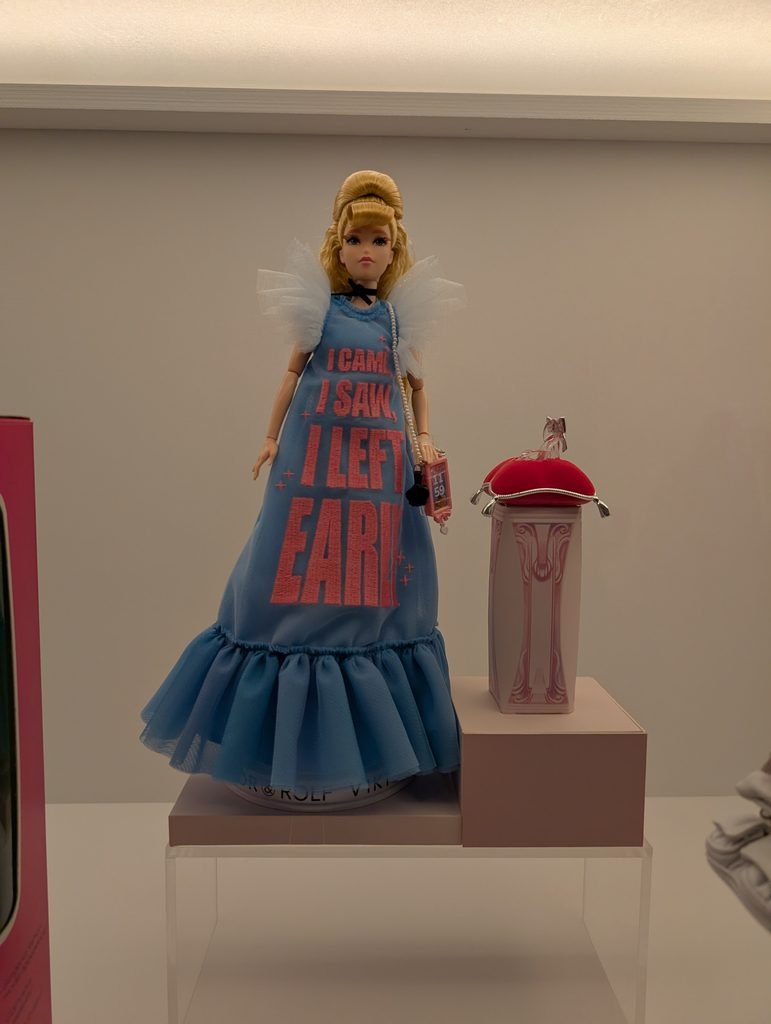
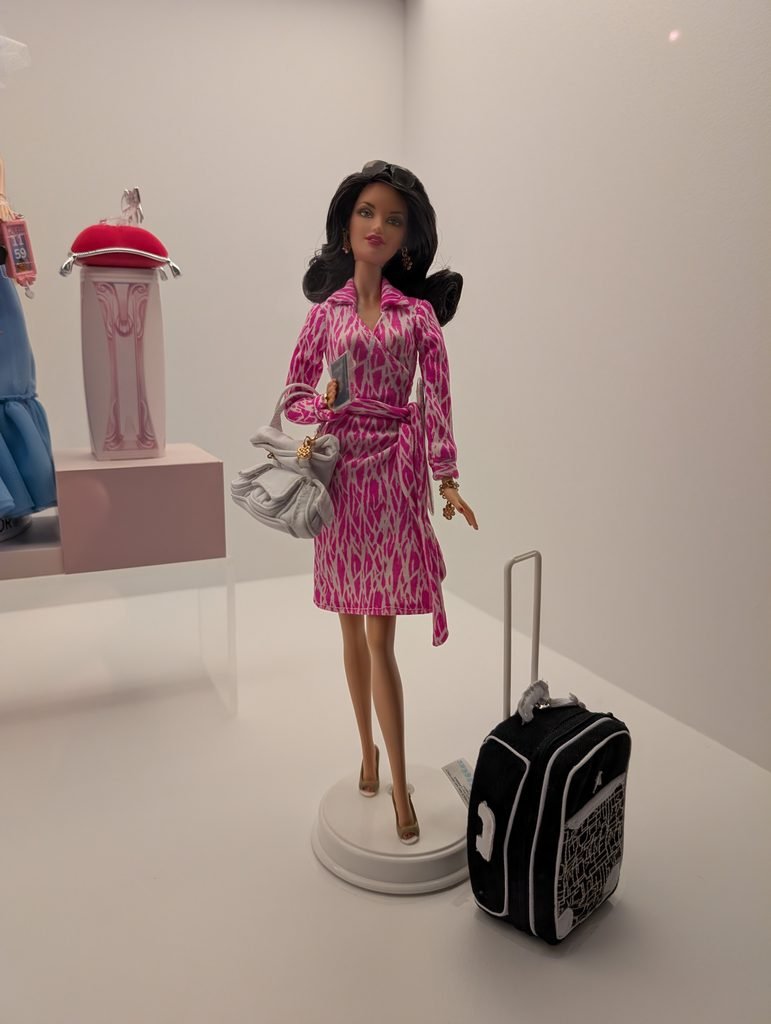
The exhibition’s title, Doll Dressing, suggests a concept far broader than simply putting clothes on a doll. It encompasses garments and accessories, hairstyles and makeup, as well as the poses, gestures, and physical language associated with dolls.
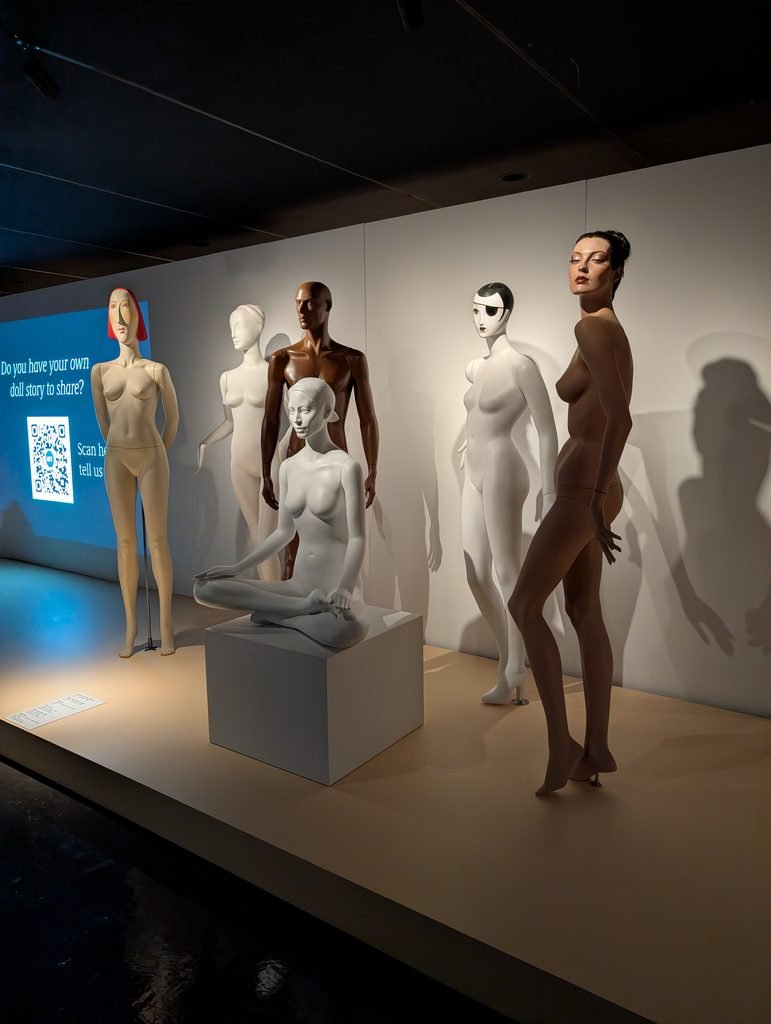
In fashion, this “doll-like” quality isn’t just about a dress with a bow. It can appear through:
- Rigid poses and unnatural posture
- Exaggerated proportions and altered scale
- Smooth, artificial surfaces
- An uncanny or slightly unsettling mood
From Victorian Trims to Paper-Doll Visuals
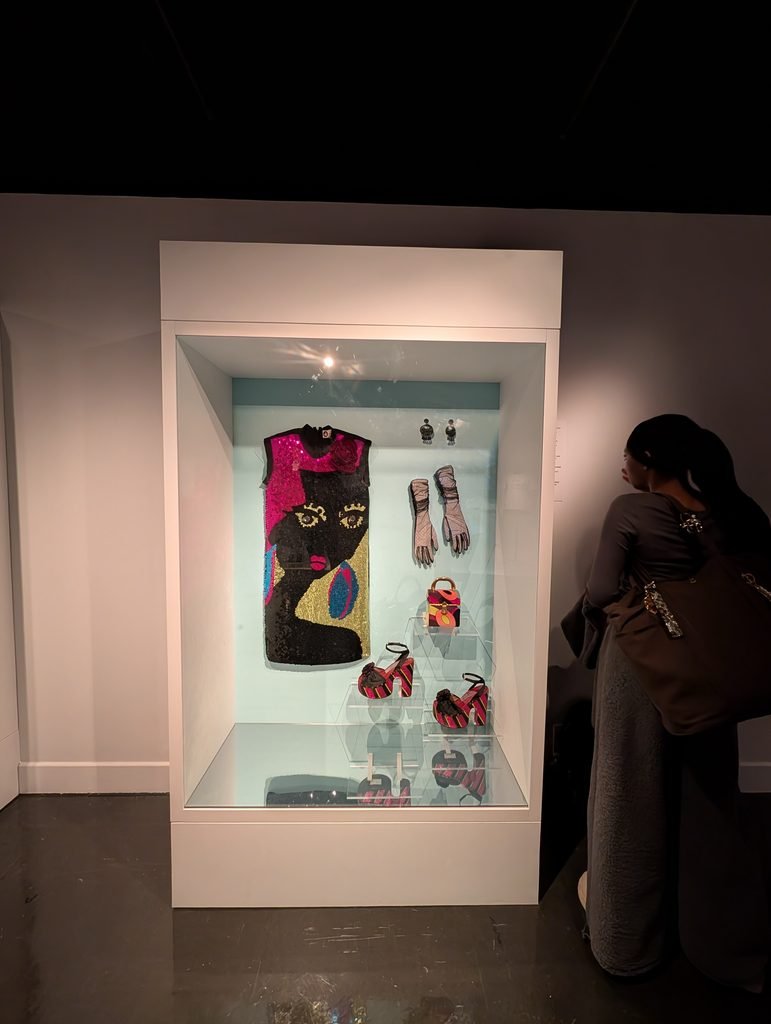
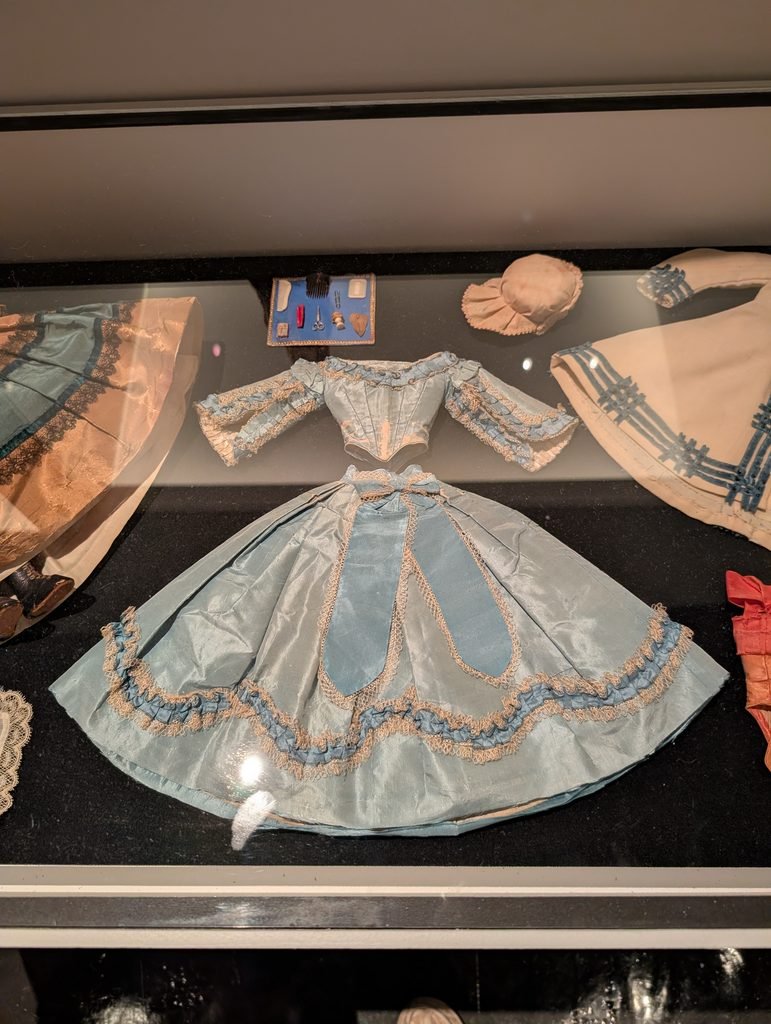
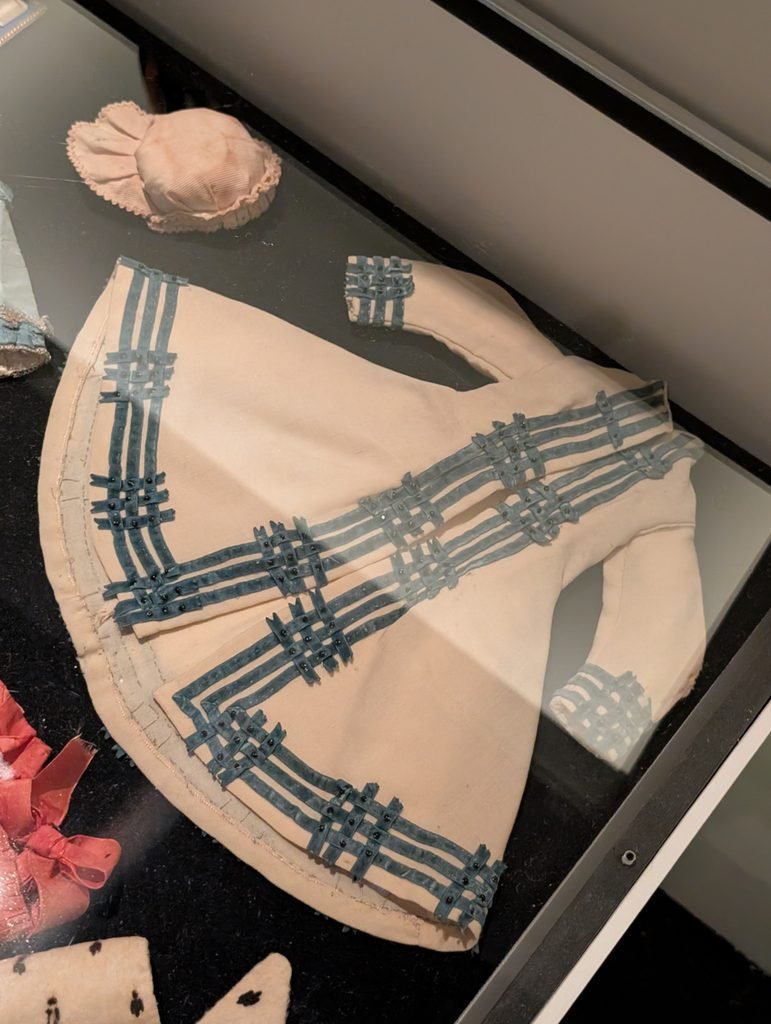
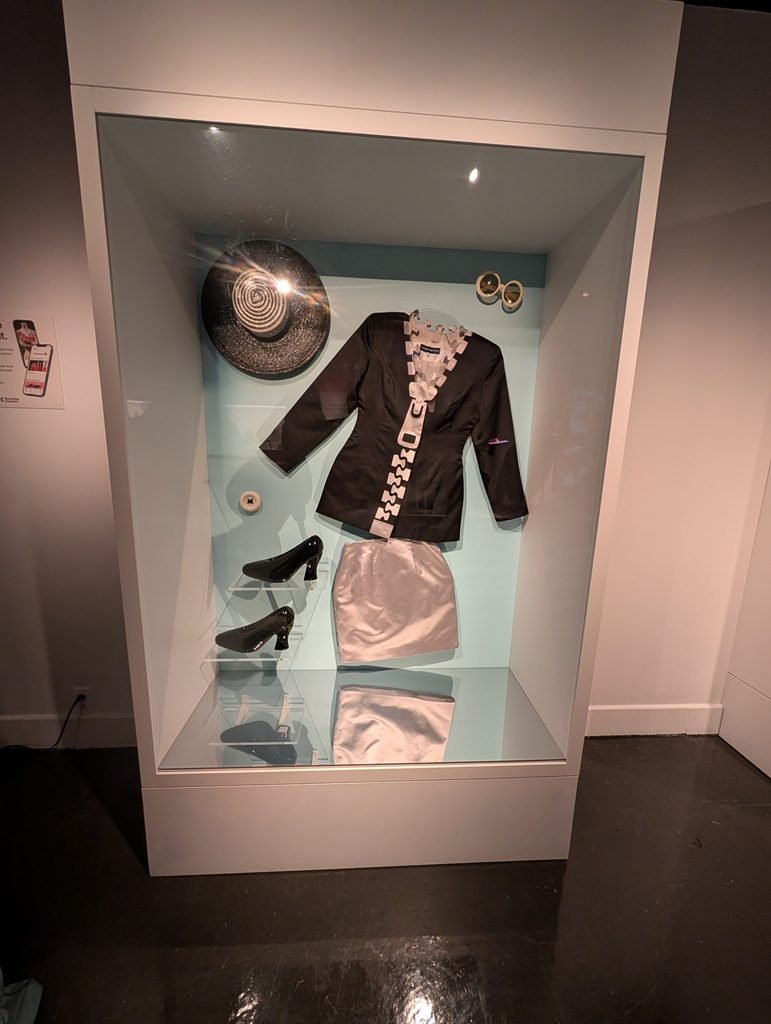
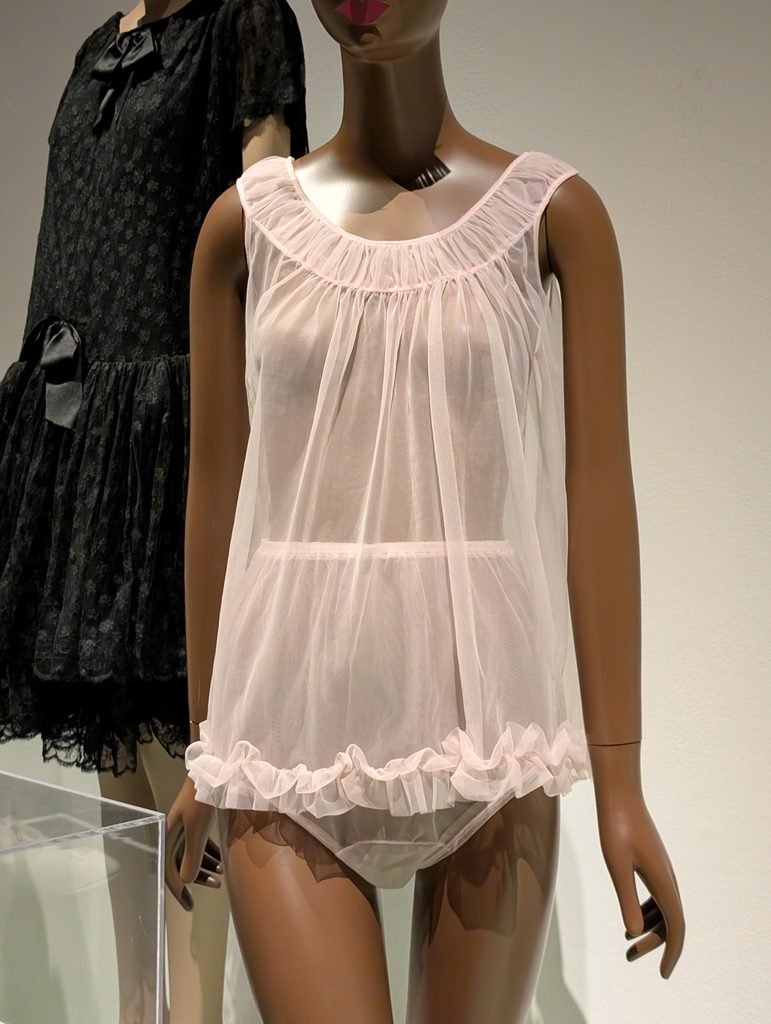
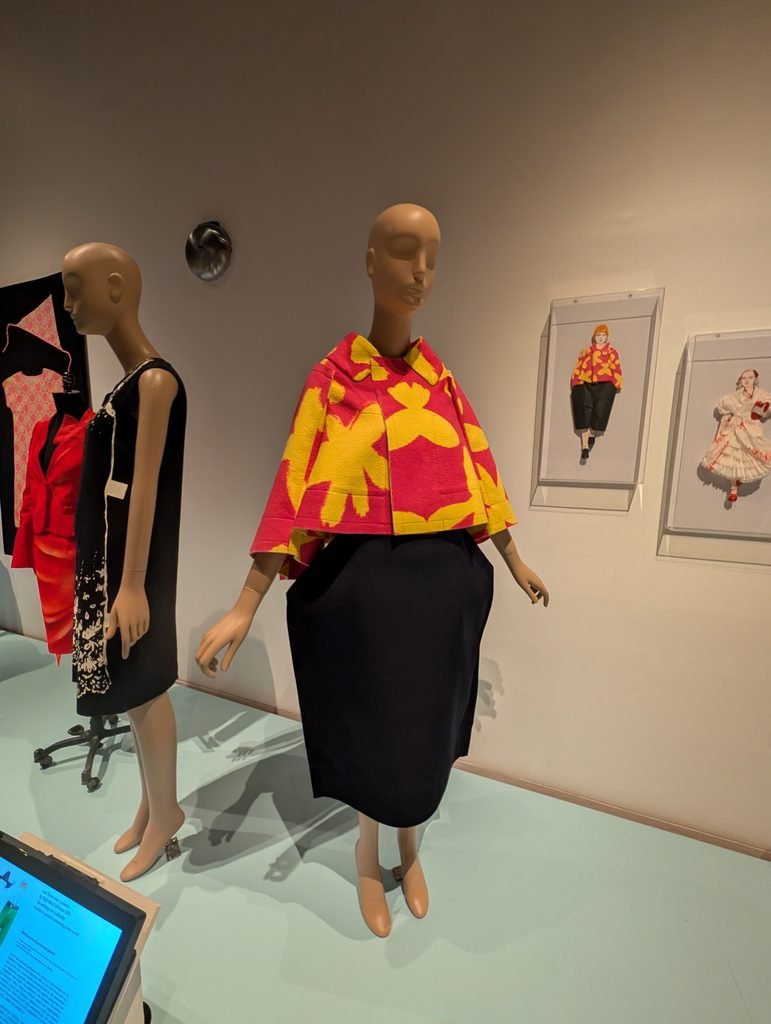
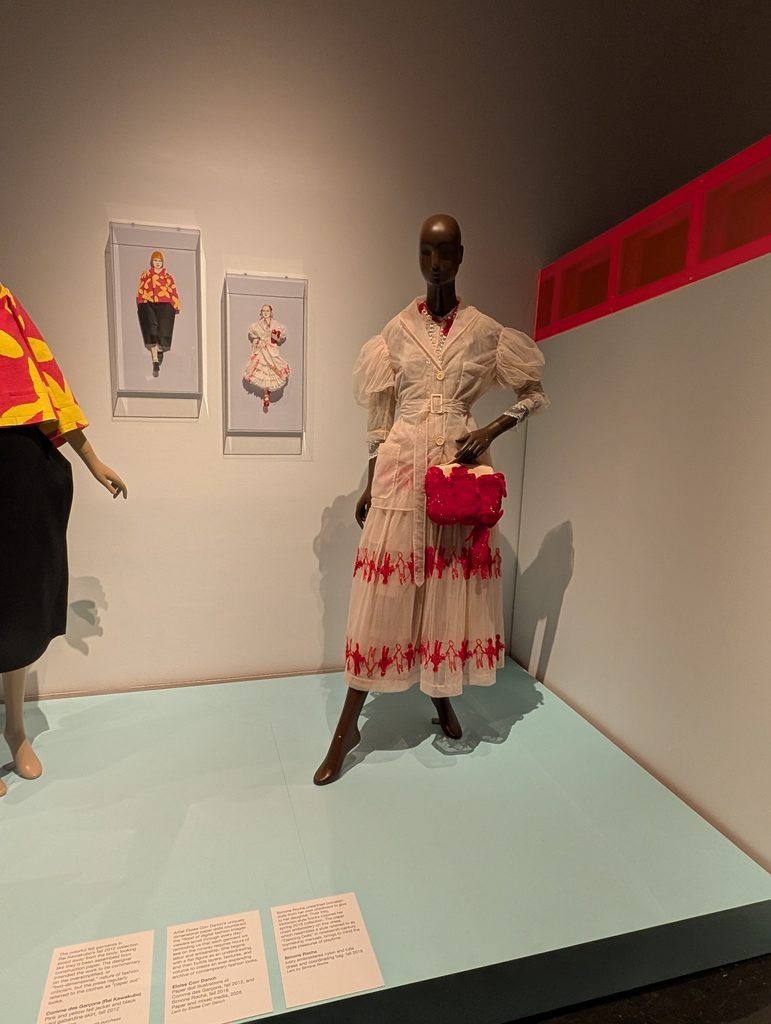
Ruffles, puffed sleeves, bows, sequins, and lace may evoke the world of Victorian fashion dolls, yet they remain vividly present on contemporary runways.
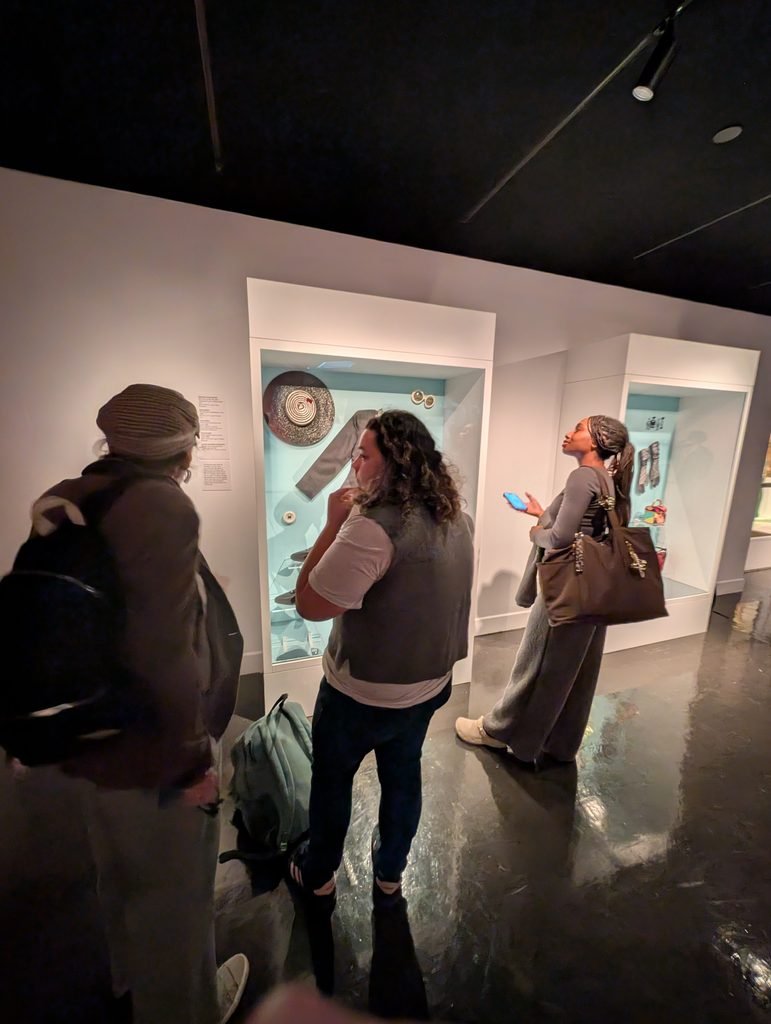
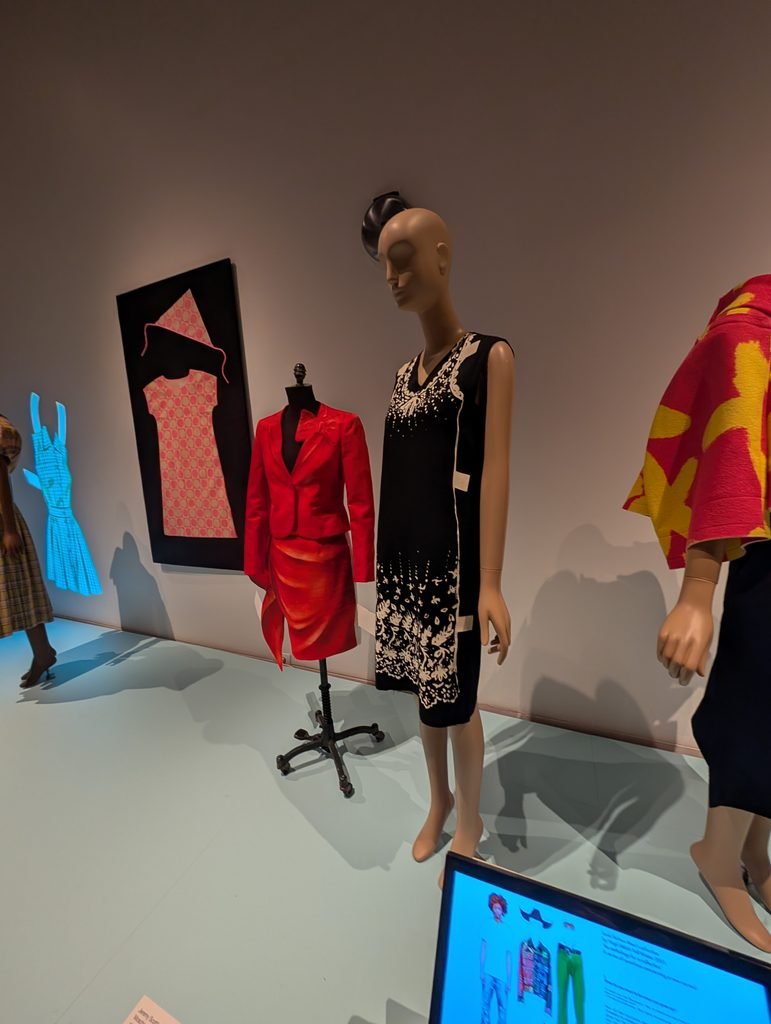
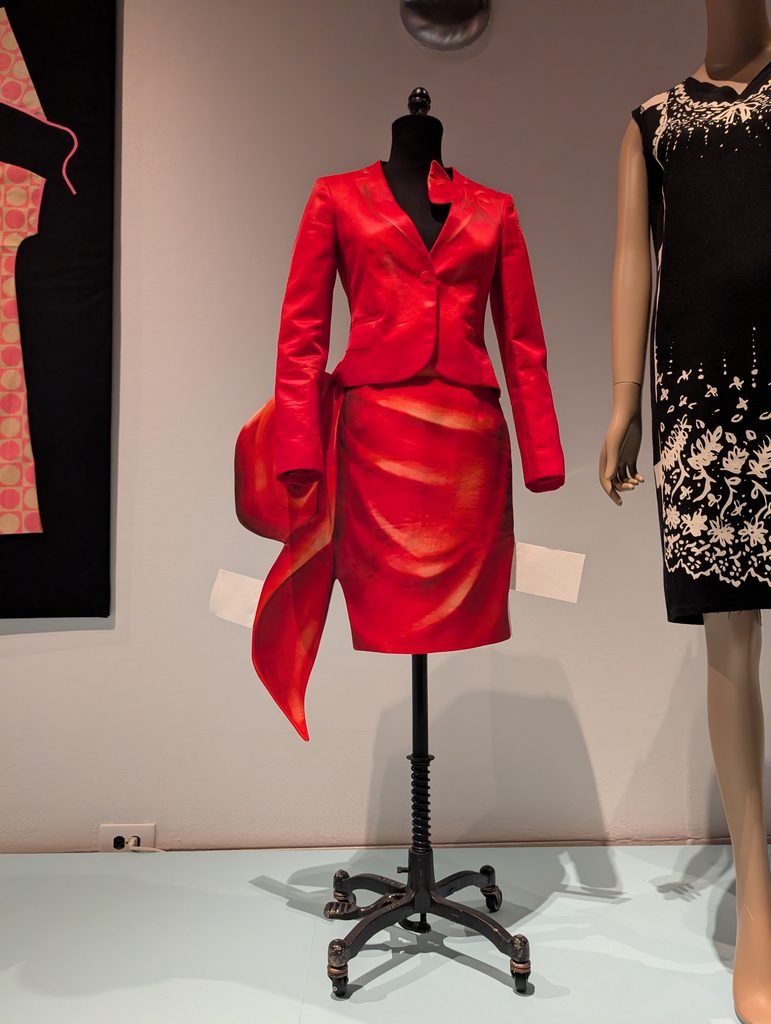
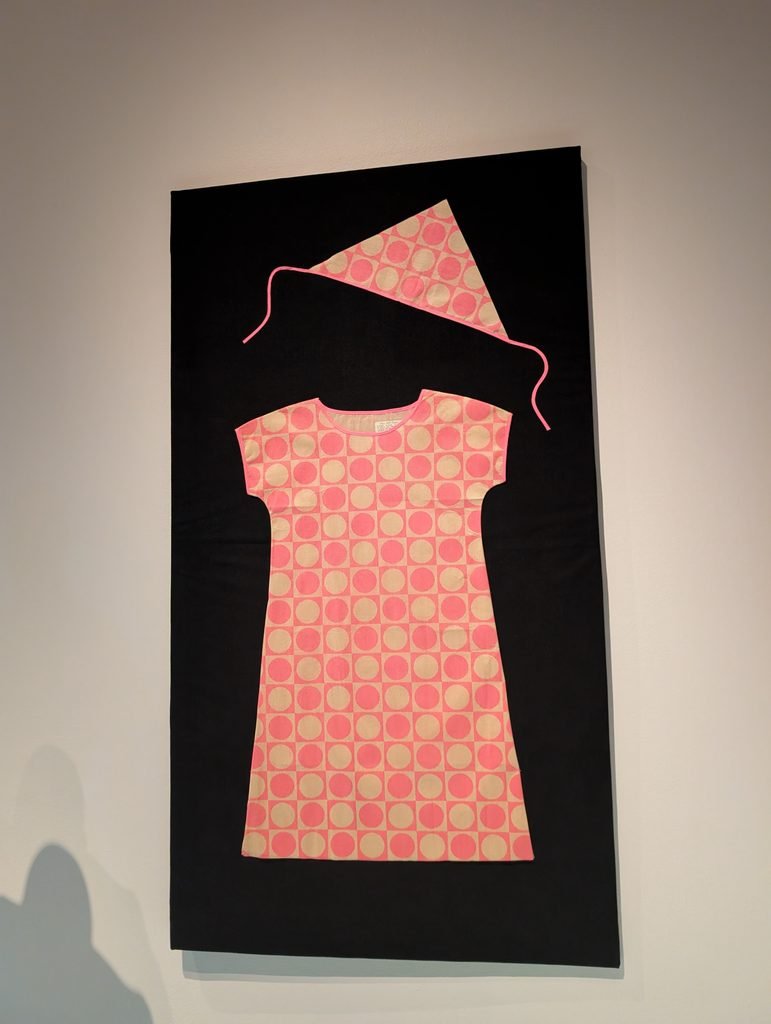
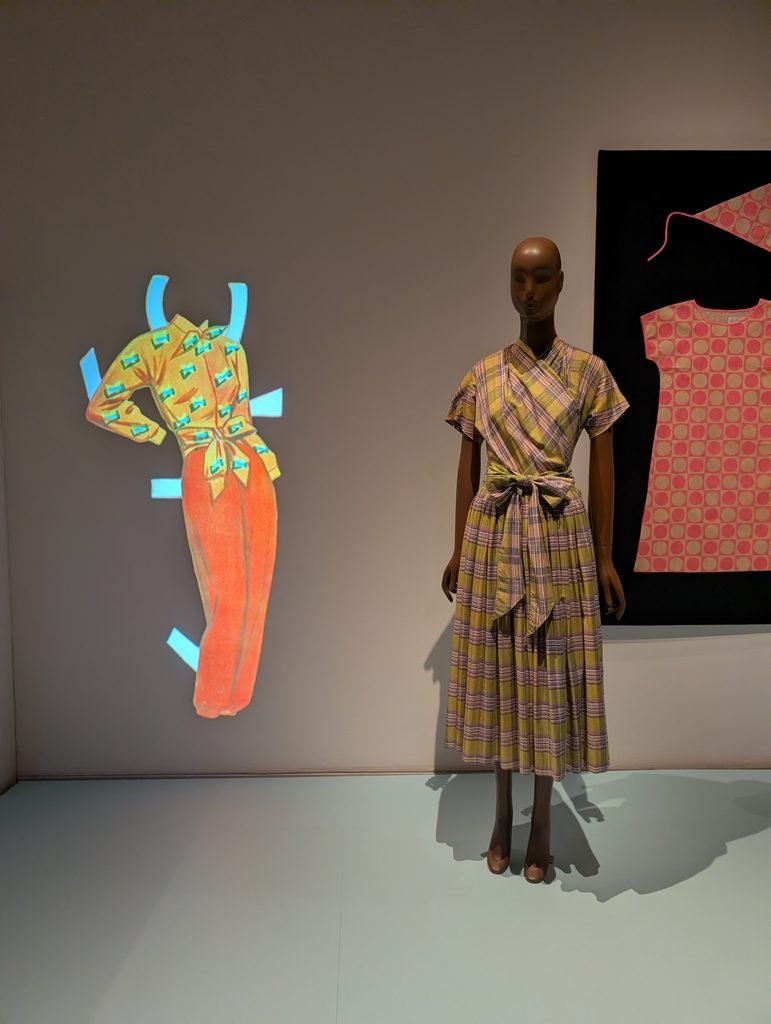
One especially effective curatorial choice is the presentation of garments and accessories in a flat, paper-doll-like display. This allows the viewer to study each silhouette and miniature detail: every stitch, fastening, texture, and carefully chosen accessory. In miniature, and particularly when clothing is laid out flat, nothing can remain hidden; detail becomes everything.
The Dark Side vs. The Playground: Complexity & Dualities
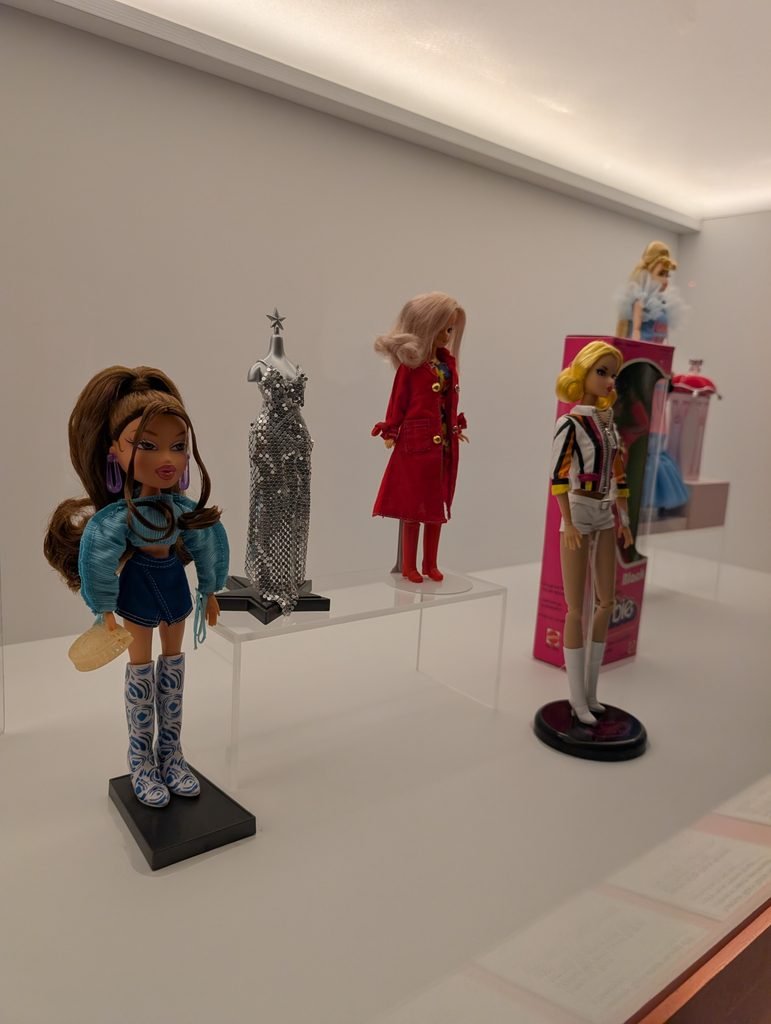
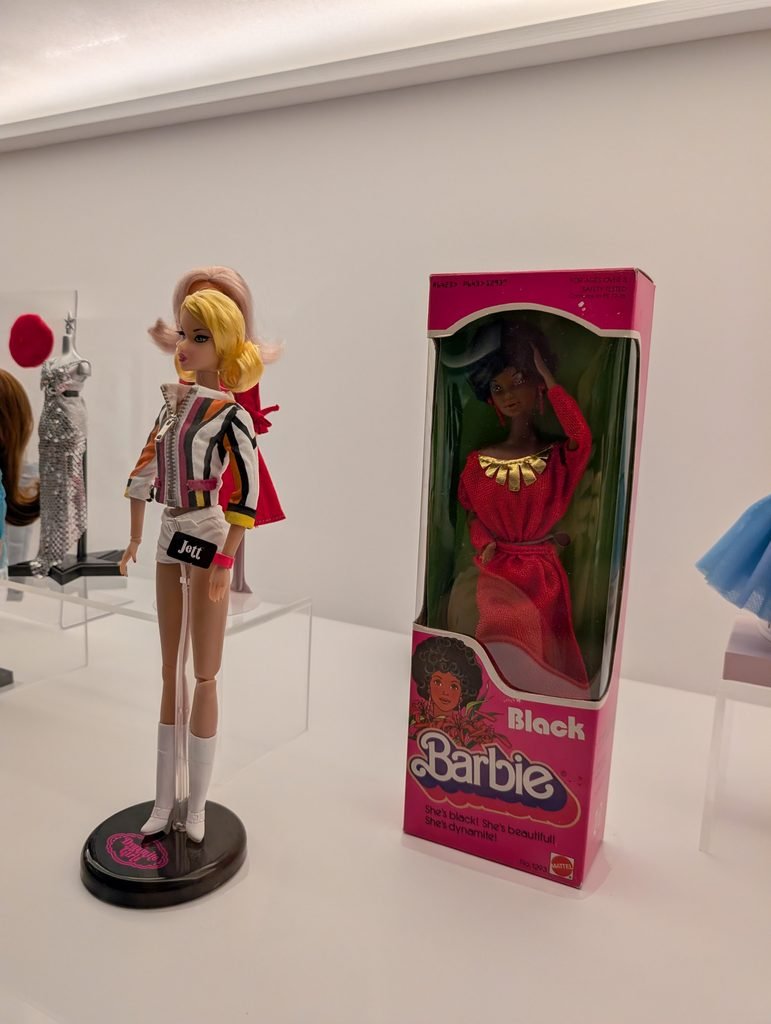
The exhibition does not avoid the more difficult questions surrounding dolls and fashion. Critics have long criticized both for encouraging consumerism and reinforcing narrow ideals of beauty, gender, and femininity.
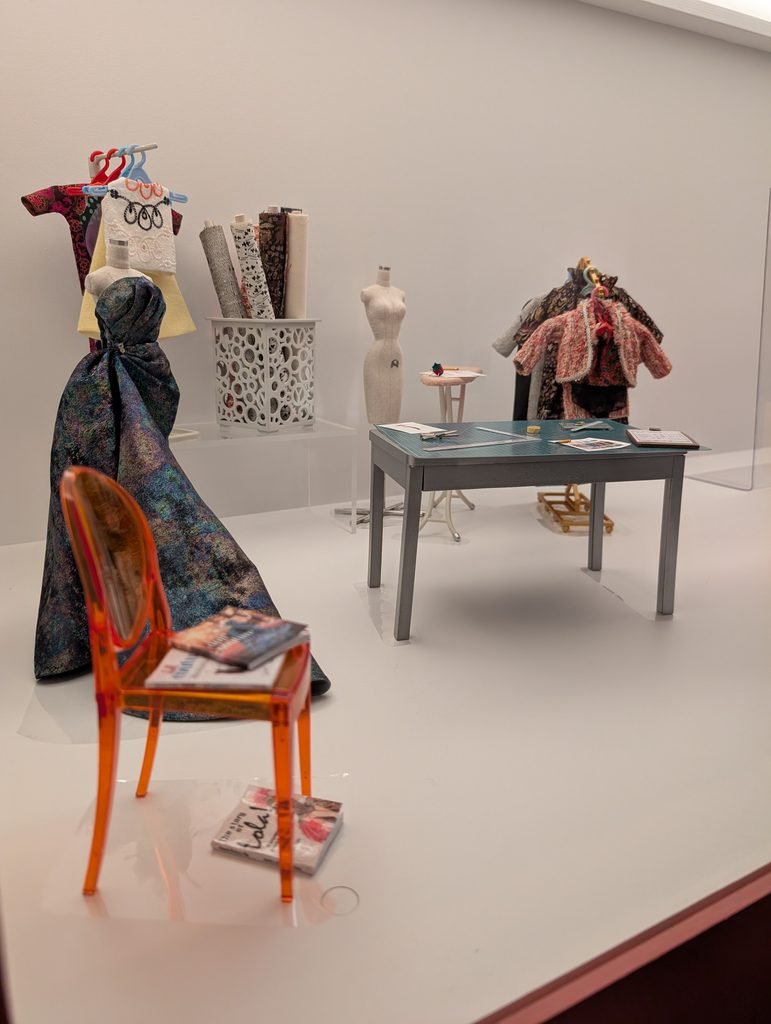
Yet Doll Dressing also invites the viewer to see dolls through a more generous lens, as objects of play, imagination, self-expression, and transformation.
Why Dolls Still Matter to Fashion Today
Dolls occupy a vital place in fashion because they exist simultaneously as models and fantasies, historical artifacts and sites of personal projection.
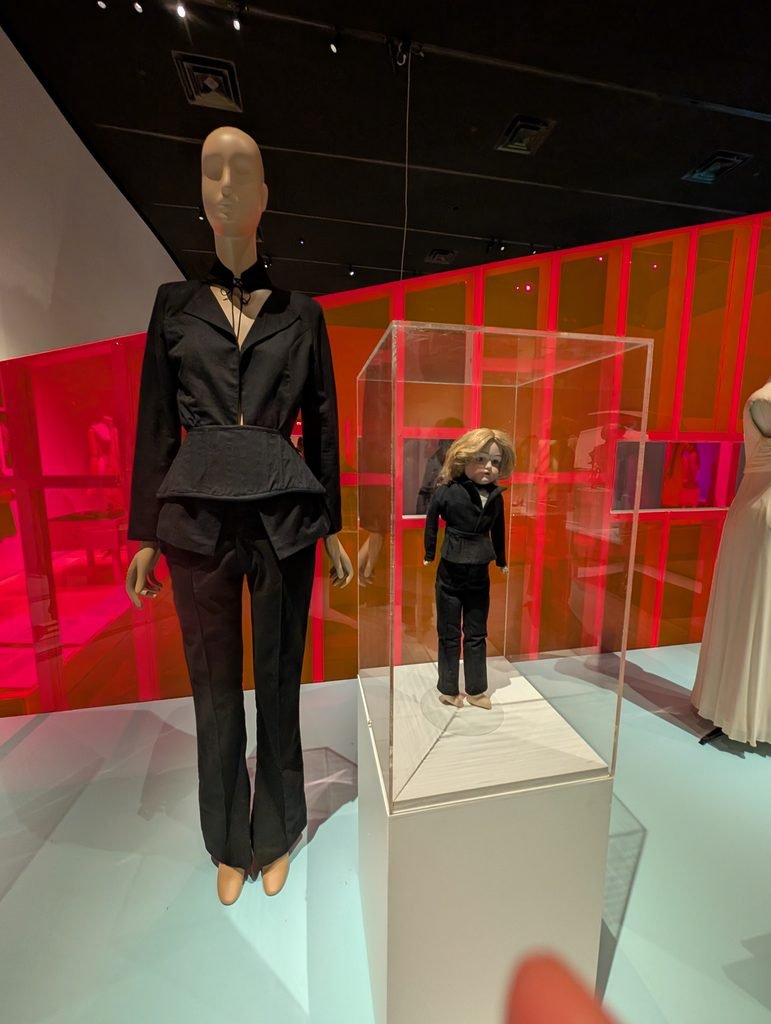
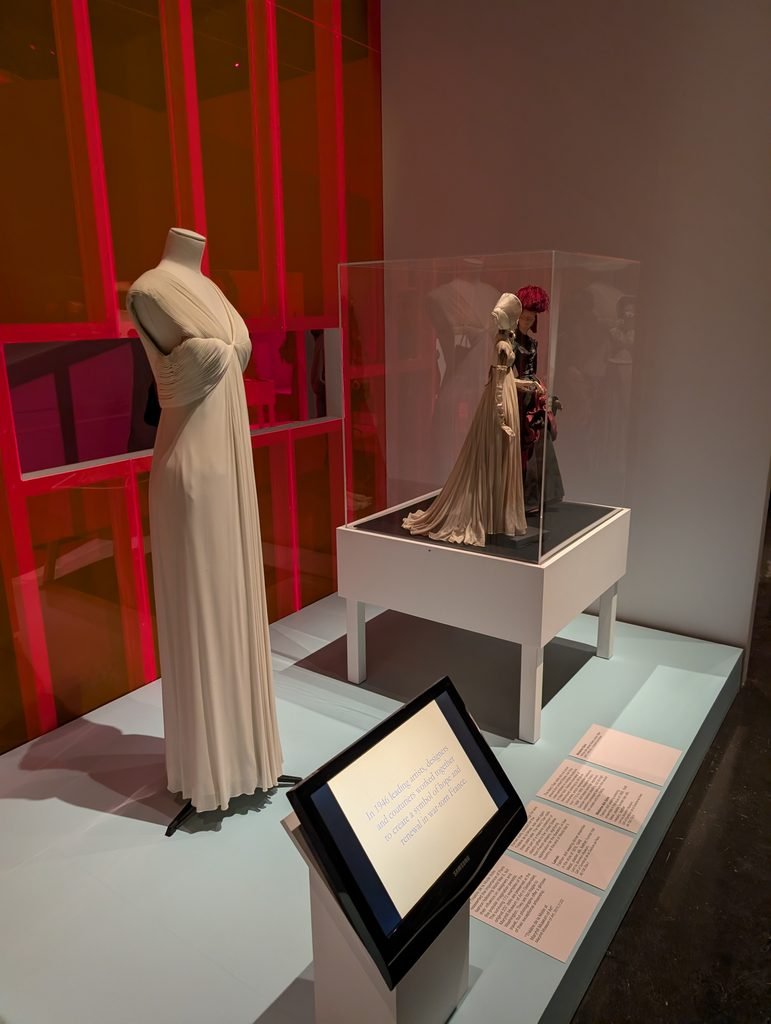
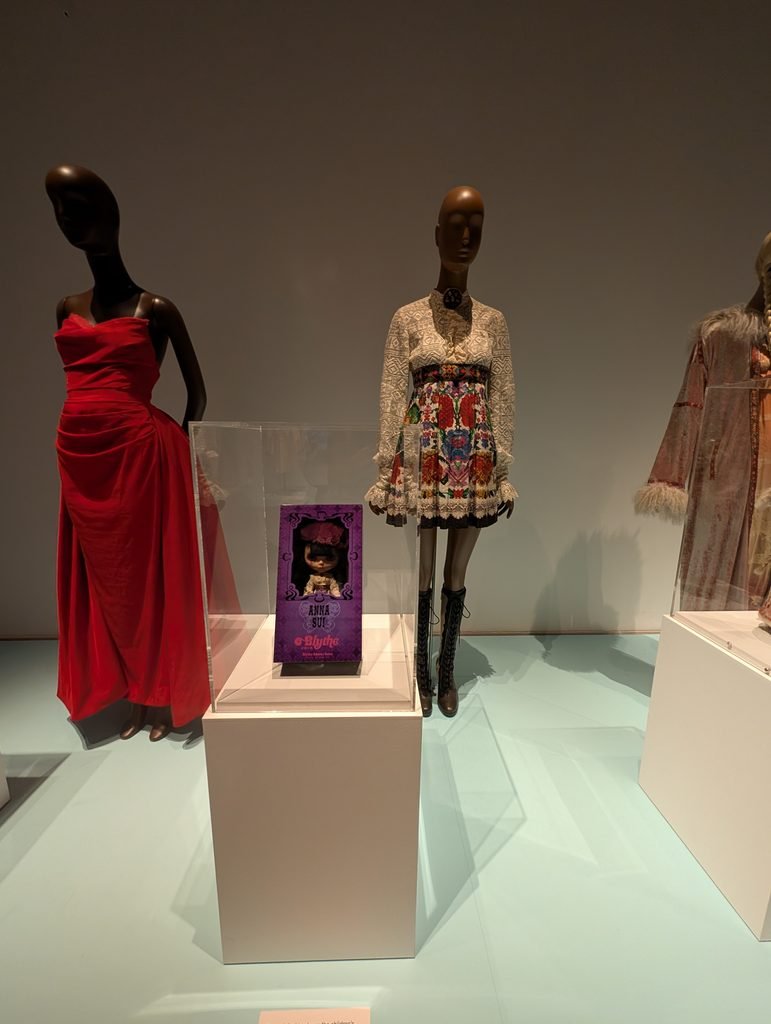
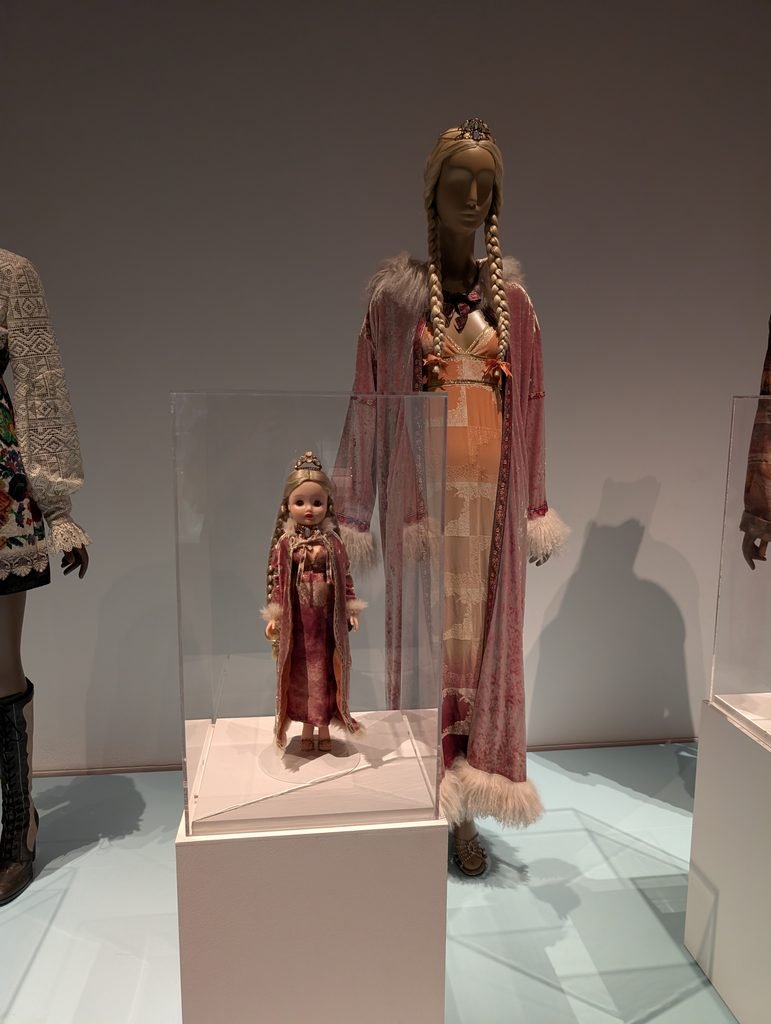
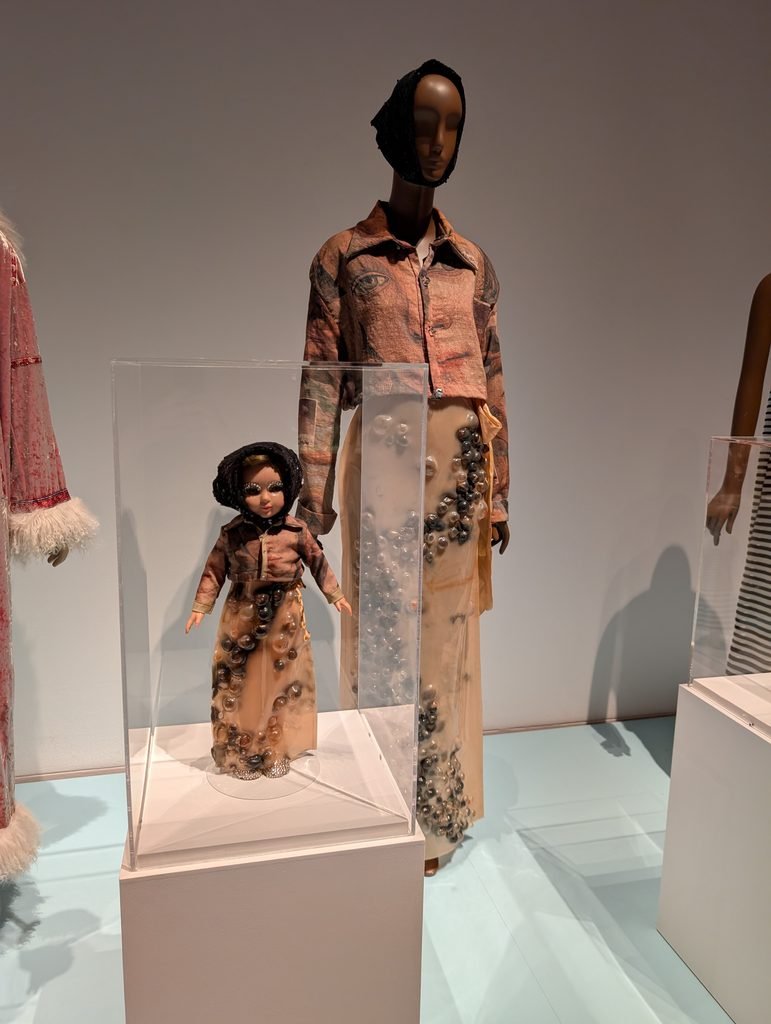
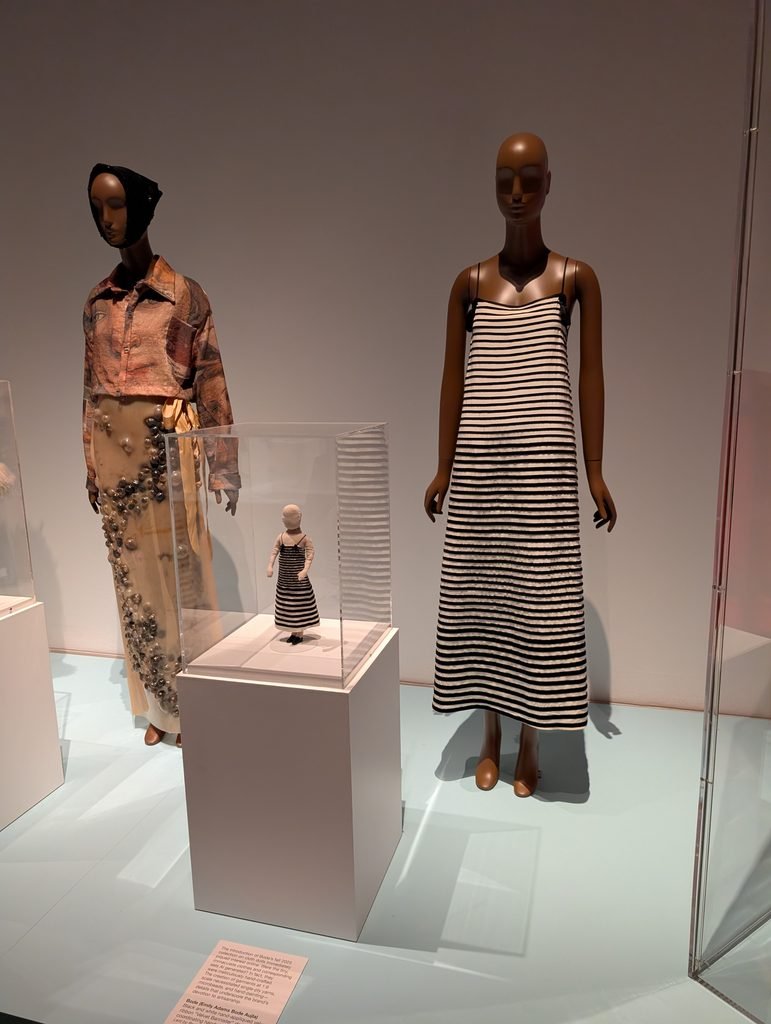
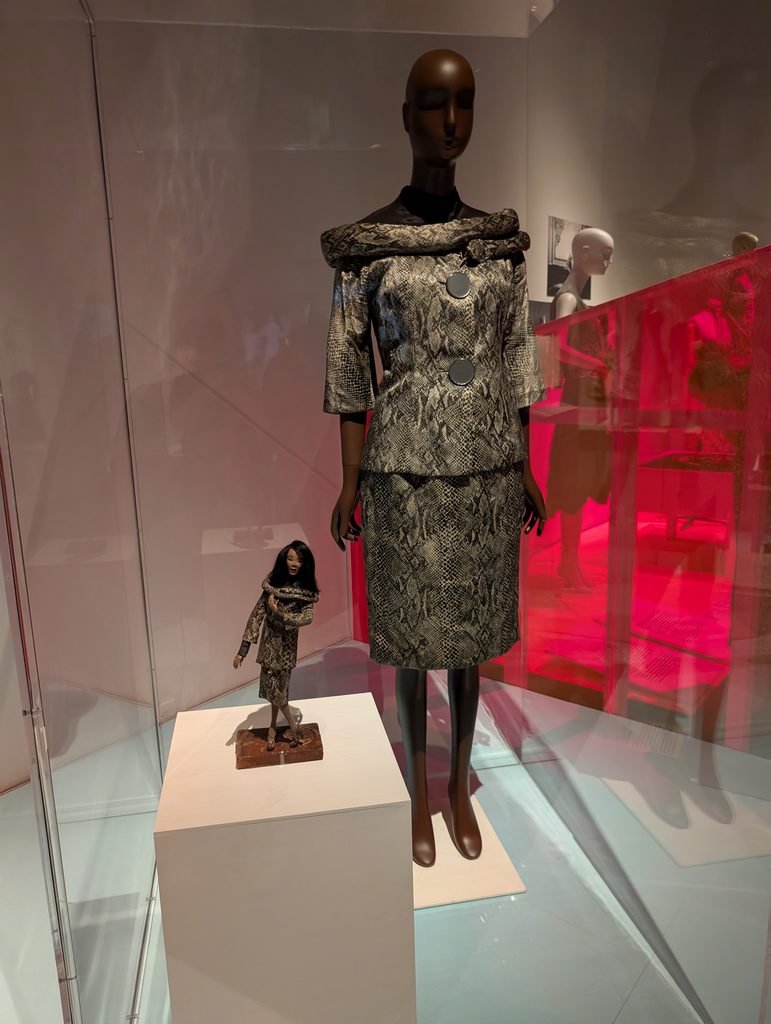
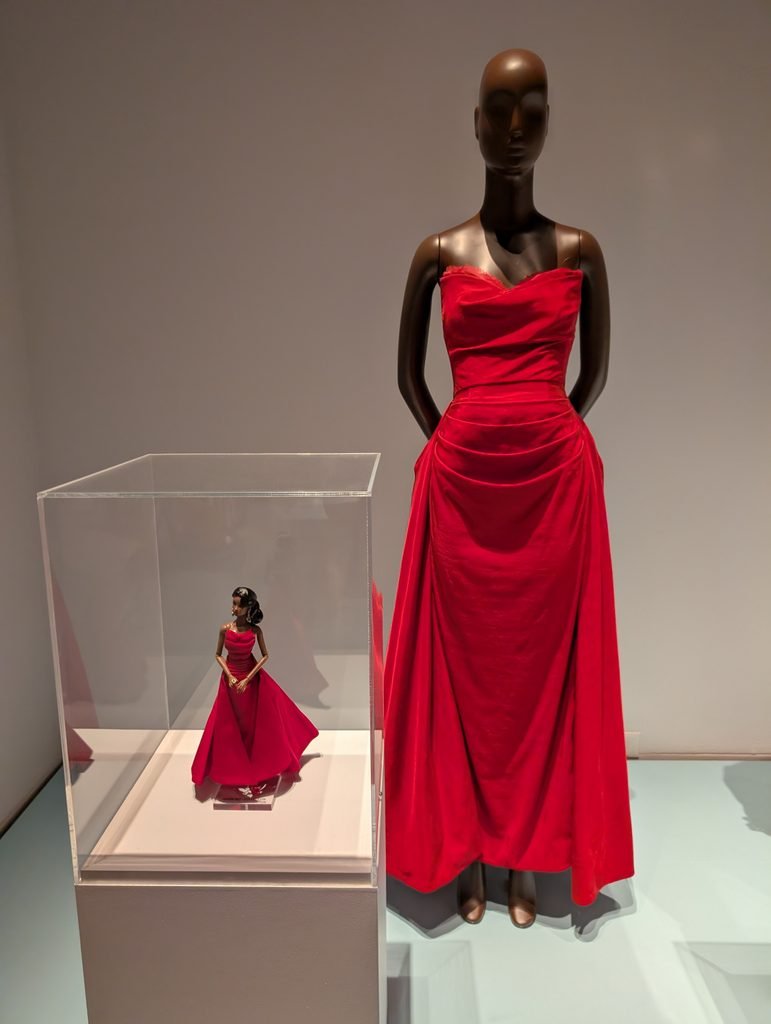
They preserve the material language of dress, but they also offer a space in which identity, beauty, proportion, and style can be imagined anew.
Sources & Further Reading
- Hill, Colleen. Doll Dressing. New York: Rizzoli Electa, 2026. (Official exhibition catalogue published in conjunction with The Museum at FIT).
- The Museum at FIT. “Doll Dressing” Exhibition Overview & Curatorial Statement, Fall 2026.
- Peers, Juliette. The Fashion Doll: From Fashionability to Costume. Berg Publishers, 2004. (Foundational research on Pandora dolls, fashion dissemination, and miniature dress history).
- Battersby, Martin. The Art of the Paper Doll. Scribner, 1984. (Historical overview of flat paper-doll formats and display conventions).
- Formanek-Brunell, Miriam. Made to Play House: Dolls and the Commercialization of American Girlhood, 1830–1930. Johns Hopkins University Press, 1998.